
Single Moms and the Loneliness We Ignore
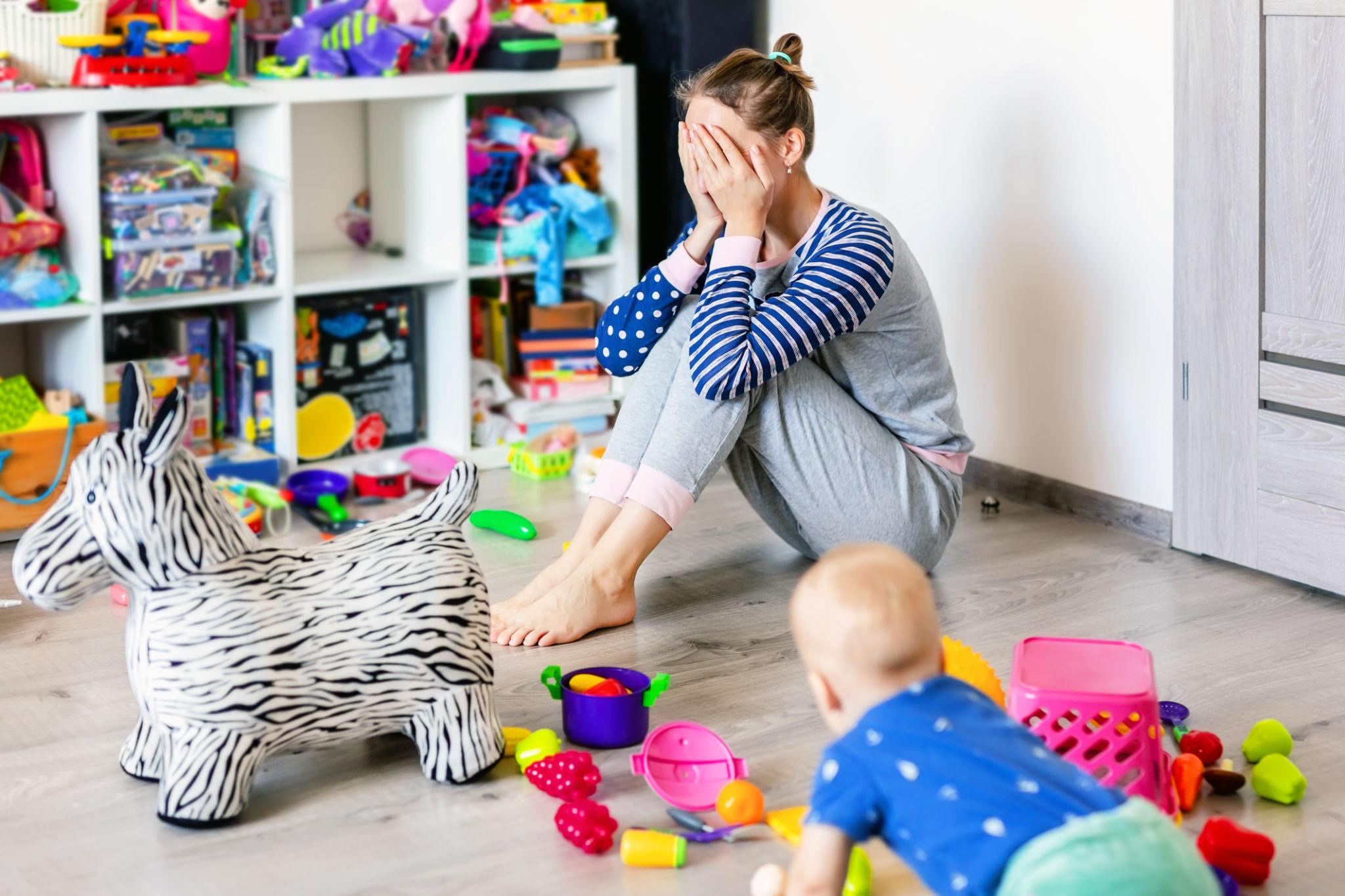
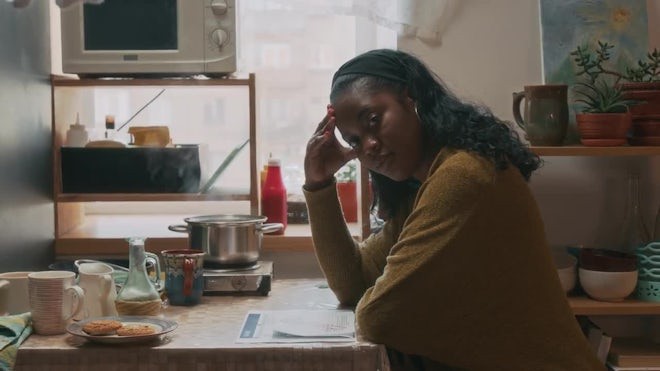
Single moms often carry a heavy load that many people never fully see. They are praised for being strong, independent, and capable, but far fewer people talk about the loneliness that can come with raising children alone. Behind the busy schedules, school runs, work responsibilities, and endless to-do lists, many single mothers quietly deal with emotional isolation.
Single motherhood is often described through the lens of strength and sacrifice. While those qualities are real, they do not tell the whole story. Many women experience loneliness during this chapter of life, especially when support is limited. Understanding this hidden side of parenting is important for creating more compassion and stronger communities.
Why Loneliness Is Common in Single Motherhood
Loneliness is not simply being alone. It is the feeling of carrying life’s responsibilities without emotional connection or support. For single mothers, this can happen for many reasons.
1. Parenting Without a Partner
Many parents rely on a partner to share decisions, daily routines, and emotional stress. Single mothers often manage everything themselves. From discipline choices to bedtime struggles, every responsibility can fall on one person.
Without someone to talk through parenting challenges, the emotional weight can feel overwhelming.
2. Busy Schedules Leave Little Social Time
Single mothers are often balancing work, childcare, housework, and finances. Free time can feel impossible to find. Friendships may fade when there is no time for coffee dates, phone calls, or social outings.
Over time, this lack of connection can lead to deep feelings of isolation.
3. Financial Pressure Creates Stress
Money worries can increase loneliness. When budgets are tight, it may not be possible to attend events, travel, or participate in activities that build connection. Financial stress can also create anxiety, making it harder to reach out to others.
4. Feeling Misunderstood
Some single mothers feel judged or misunderstood by society. Others hear comments that minimize their experience, such as “You’re so strong” or “You handle everything so well.”
While often meant as compliments, these statements can make it harder to admit struggles or ask for help.
The Single-Parent Family – Psychology Today: Research highlighted by Psychology Today notes that many children of single parents do just as well as those in other household structures. The article also discusses emotional challenges single parents may face, including stress and loneliness, while emphasizing that outcomes depend on many factors beyond family structure.
The Emotional Impact of Loneliness

Loneliness affects more than mood. It can impact mental health, energy, and confidence. Many single moms push through exhaustion because they feel they have no choice.
Common emotional effects include:
- Increased stress
- Anxiety
- Low mood
- Burnout
- Feeling invisible
- Reduced self-esteem
When loneliness lasts for long periods, it can make everyday tasks feel harder.
Why Many Single Mothers Stay Silent
There is strong pressure for single mothers to appear resilient at all times. Asking for help may feel like weakness, even though it is not.
Some mothers stay silent because they fear judgment. Others believe no one will understand. Many simply do not have the time or energy to explain what they are carrying.
This silence can create the false idea that loneliness is rare, when in reality it is common.
How Single Moms Can Reduce Loneliness
The good news is that loneliness can be eased with intentional support and connection. Even small changes can make a difference.
Build a Support Circle
Support does not need to be large. One or two trusted people can help lighten emotional stress. This may include family, friends, neighbors, or other parents.
Start with one honest conversation. Let someone know where you need support.
Connect With Other Mothers
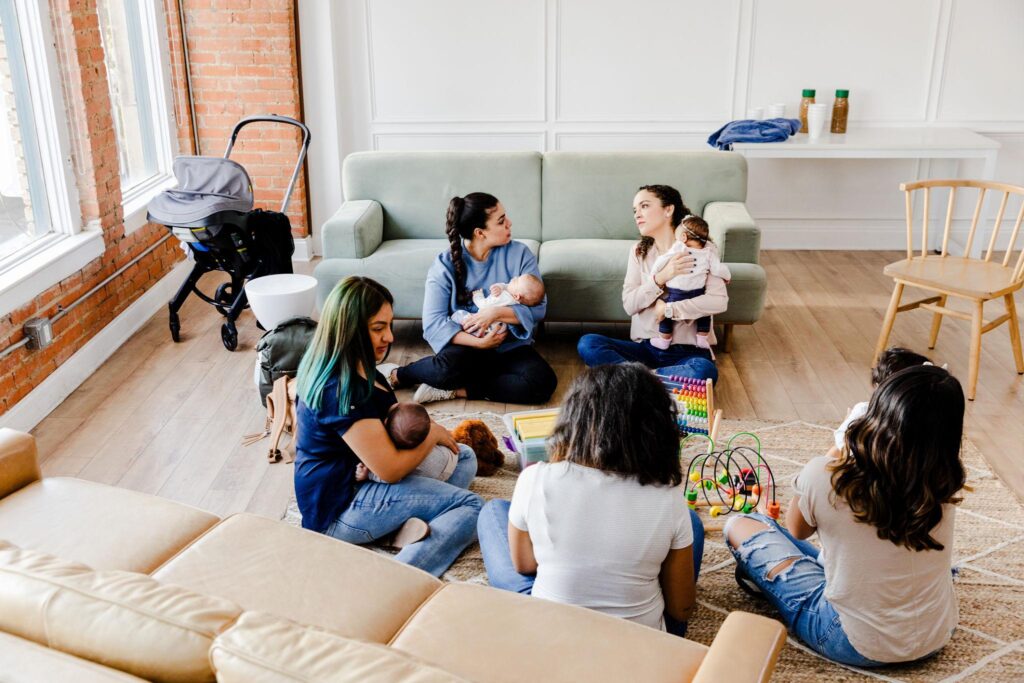
Other mothers often understand the daily realities of parenting in a way others may not. Local parenting groups, online communities, and school networks can be valuable places to connect.
Hearing “me too” can be powerful.
Schedule Small Social Moments
Connection does not need to mean big events. A quick phone call, a walk with a friend, or chatting with another parent at pickup time can help reduce feelings of isolation.
Small moments matter.
Prioritize Self-Care Without Guilt
Many mothers place themselves last. Yet rest, hobbies, and quiet time support emotional health. Even 15 minutes a day for reading, journaling, or exercise can improve well-being.
Seek Professional Support
Therapists, counselors, or support coaches can provide a safe place to process stress and loneliness. Professional support can be especially helpful during divorce, separation, grief, or major life changes.
Mental Health and the Single Parent – Mental Health America: Mental Health America explains that loneliness is common for single parents, especially when they must make decisions alone and carry the mental load without daily support. The article offers practical ways to protect mental health and build stronger support systems.
How Friends and Family Can Help
If someone you know is a single mother, support can make a meaningful difference. Often, practical help matters more than grand gestures.
Try:
- Offering childcare for an hour
- Sending a check-in message
- Inviting her to simple plans
- Bringing over a meal
- Listening without judgment
- Asking what support would help most
Kindness and consistency go a long way.
Changing the Conversation Around Single Motherhood
We often celebrate single mothers for being strong, but strength should not mean carrying everything alone. Real support means recognizing both resilience and vulnerability.
When society only praises independence, it can overlook real emotional needs. A healthier conversation includes honesty about stress, loneliness, and the need for community.
Single motherhood should not have to feel isolating.
You Are Not Alone

If you are experiencing loneliness as a single mother, it does not mean you are failing. It means you are human and carrying a lot. Many women feel the same way, even if no one says it out loud.
Reaching out for support is a sign of wisdom, not weakness. Building connection may take time, but it is possible. No one is meant to parent in complete isolation.
Final Thoughts
Single moms are often seen as superheroes, but they are also people with emotional needs, limits, and moments of exhaustion. The loneliness many experience deserves more attention and compassion.
By speaking honestly, building support systems, and offering help without judgment, we can create a world where single moms feel seen, valued, and connected. No mother should have to carry the weight of parenting alone.
Many mothers find that loneliness becomes easier to manage when they have reliable people around them. If you’re looking for practical ways to create that support system, read our guide on Support For Single Moms. It shares realistic steps for building friendships, finding local help, and creating a stronger network when parenting alone.
Explore our blog for more insights and helpful information.
Click here to learn more about our career and coaching services.
Have questions or feedback? Visit our Contact page (click here) — we’d love to hear from you.