

Time management can feel impossible when you’re juggling work, family, responsibilities, and everything in between. If you’re constantly switching between roles—professional, caregiver, partner, and everything else—you’re not alone. The good news is that effective time management isn’t about doing more; it’s about doing what matters most with the time you have.
This guide is designed to give you practical, realistic strategies to help you take control of your day—without burnout or guilt.
Why Time Feels So Overwhelming
Many women carry multiple responsibilities that compete for attention at the same time. You may start your day with a plan, only to have it completely disrupted by unexpected needs, deadlines, or emotional demands.
The issue isn’t a lack of discipline—it’s a lack of systems that support your real life.
That’s why improving time management starts with understanding your priorities, not just your schedule.
Time Management for Working Women: 9 Practical Strategies: This article focuses on realistic systems that help women manage both personal and professional responsibilities. It emphasizes using tools like digital calendars and planning methods to handle multiple roles effectively—aligning perfectly with your article’s message.
Start with Your “Must-Do” List
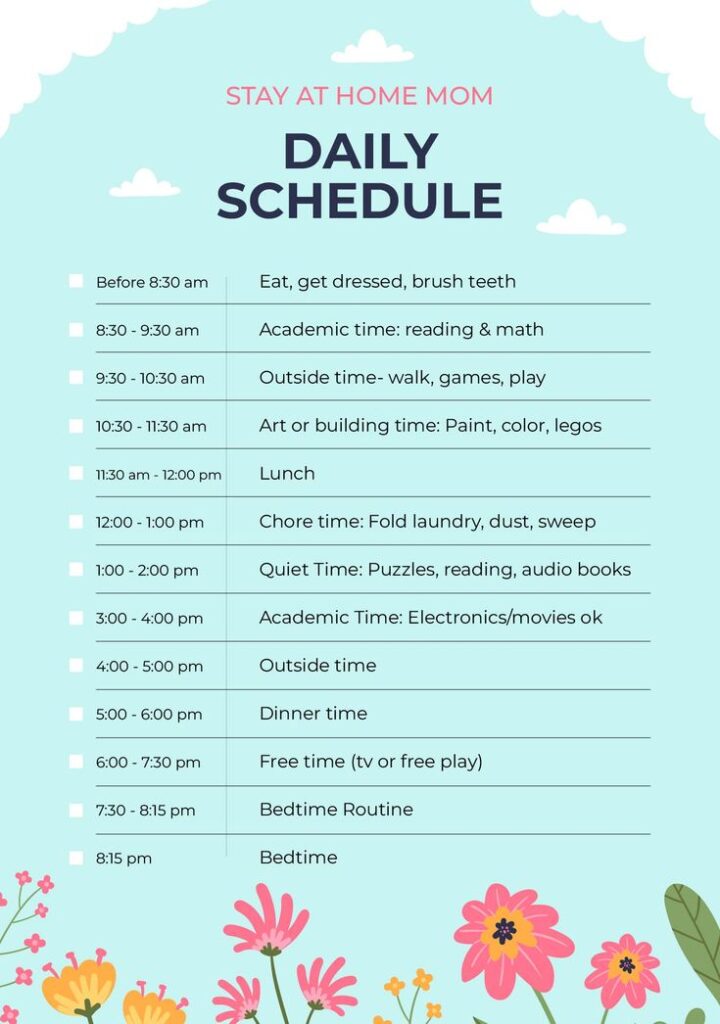
Instead of writing long to-do lists that feel impossible to complete, focus on a short “must-do” list each day.
How it works:
- Choose 3–5 essential tasks per day
- Prioritize tasks that move your life forward
- Accept that everything else is optional
Why it helps:
This method reduces overwhelm and helps you feel accomplished—even on busy days.
Example:
- Pay bills
- Prepare dinner
- Complete one work task
Anything beyond that is a bonus, not a requirement.
Use Time Blocking to Create Structure
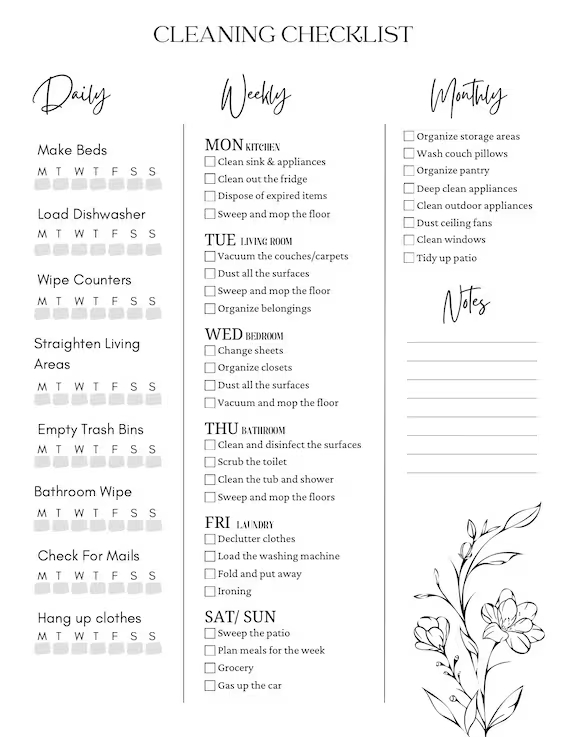
Time blocking is one of the most effective time management strategies for busy women. It involves assigning specific blocks of time to certain tasks or roles.
How to try it:
- Morning: Work or focused tasks
- Afternoon: Errands or appointments
- Evening: Family time or rest
Keep it flexible:
Life happens. The goal isn’t perfection—it’s direction. If something shifts, adjust your blocks instead of abandoning your plan.
Combine Tasks When Possible
Multitasking often gets a bad reputation, but intentional task pairing can actually save time.
Examples:
- Listen to a podcast while cooking
- Take work calls during a walk
- Fold laundry while helping kids with homework
The key is to combine tasks that don’t require full concentration.
Set Boundaries Around Your Time
One of the biggest challenges women face is saying yes to everything. But protecting your time is essential for effective time management.
Practice saying:
- “I can’t commit to that right now.”
- “Let me check my schedule and get back to you.”
- “I need to focus on my priorities this week.”
Why it matters:
Every yes to something unimportant is a no to something that truly matters.
Create Simple Routines
Routines reduce decision fatigue and make your day more predictable.
Examples of helpful routines:
- Morning routine: Get ready, review priorities
- Evening routine: Prep for the next day
- Weekly routine: Grocery shopping, laundry
Keep it realistic:
Your routine doesn’t need to be perfect. It just needs to work for your life.
Learn to Let Go of Perfection
Trying to do everything perfectly is one of the biggest time drains.
Shift your mindset:
- Done is better than perfect
- Progress matters more than perfection
- It’s okay to take shortcuts
Real-life example:
A simple homemade meal is just as valuable as a “perfect” one that takes hours.
Use Tools That Make Life Easier

You don’t need complicated systems—just simple tools that help you stay organized.
Helpful tools:
- Calendar apps for scheduling
- Reminder apps for tasks
- Notes apps for quick lists
Keep it simple:
The best system is the one you actually use consistently.
Schedule Time for Yourself
It may feel impossible, but taking time for yourself is essential—not optional.
Why it matters:
Rest improves focus, energy, and overall productivity.
Ideas:
- 10–15 minutes of quiet time
- A short walk
- Reading or journaling
When you take care of yourself, everything else becomes more manageable.
Accept That Balance Looks Different Every Day
There’s no perfect balance. Some days work will take priority. Other days, your family will need more of your attention.
The goal isn’t balance—it’s flexibility.
Build a Weekly Reset Habit
Take 20–30 minutes once a week to reset and prepare.
What to do:
- Review your upcoming schedule
- Plan meals or key tasks
- Identify your top priorities
This small habit can make a big difference in how your week feels.
Achieving More with Less: Time Management Strategies for Busy Women: A more recent guide that highlights practical techniques like tracking your time, identifying inefficiencies, and simplifying routines. It’s especially relevant for women balancing work, family, and personal goals.
Final Thoughts
Managing multiple roles isn’t easy, and it’s okay if some days feel overwhelming. The goal of time management isn’t to control every minute—it’s to create a life that feels manageable and aligned with your priorities.
Start small. Choose one or two strategies from this list and try them this week. Over time, these small changes will add up to a more organized, less stressful life.
You don’t need to do everything—you just need to do what matters most.
If you’re feeling overwhelmed, exploring proven Time Management Strategies For Working Mothers can help you create a more realistic and balanced routine.
Explore our blog for more insights and helpful information.
Click here to learn more about our career and coaching services.
Have questions or feedback? Visit our Contact page (click here) — we’d love to hear from you.

