

Time Management is the key skill that separates overwhelmed professionals from those who consistently achieve their goals with clarity and confidence. In today’s fast-paced world, juggling meetings, deadlines, emails, and personal responsibilities can feel exhausting—but with the right strategies, you can take control of your schedule instead of letting it control you.
This guide offers practical, easy-to-follow time management tips designed specifically for busy professionals who want to boost productivity, reduce stress, and create more balance in their daily lives.
Why Time Management Matters More Than Ever
Modern work environments demand more output in less time. Without effective systems, it’s easy to fall into reactive work—constantly responding instead of proactively achieving. Strong time management helps you:
- Prioritize what truly matters
- Reduce burnout and decision fatigue
- Improve focus and efficiency
- Create space for personal life and rest
- Achieve long-term career goals
When you manage your time well, you don’t just get more done—you get the right things done.
1. Start Your Day with Clear Priorities
Before diving into emails or meetings, take 5–10 minutes to plan your day. Identify your top 3 priorities—these should be tasks that move the needle forward in your work.
Try this:
- Write down your most important tasks (MITs)
- Tackle them during your peak energy hours
- Avoid starting with low-value tasks like inbox clearing
This simple habit sets the tone for a focused and productive day.
2. Use the 80/20 Rule (Pareto Principle)
Not all tasks are equal. In fact, 80% of your results often come from just 20% of your efforts.
Ask yourself:
- Which tasks bring the highest impact?
- What can be delegated, delayed, or eliminated?
By focusing on high-value work, your time management instantly becomes more effective.
3. Time Block Your Schedule
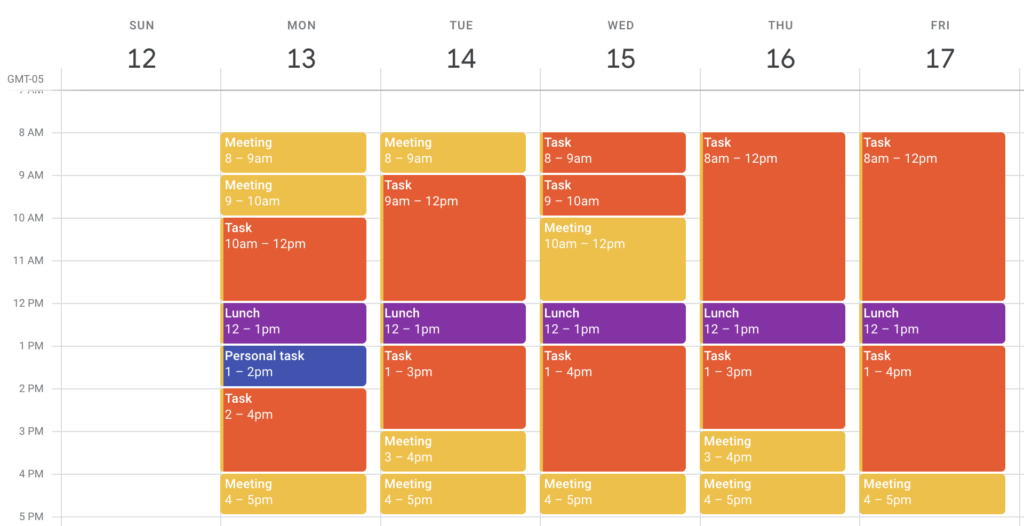
Time blocking involves assigning specific time slots to tasks throughout your day. Instead of working reactively, you create a structured plan.
Example:
- 9:00–10:30 → Deep work
- 10:30–11:00 → Emails
- 11:00–12:00 → Meetings
Benefits include:
- Fewer distractions
- Better focus
- Clear boundaries for tasks
Treat these blocks like appointments—non-negotiable and protected.
How to Manage Your Time: Our Favorite Reads: A curated collection of expert insights from Harvard Business Review on improving time management and making better use of your time.
4. Minimize Distractions

Distractions are one of the biggest obstacles to effective time management. Even small interruptions can derail your productivity.
Reduce distractions by:
- Turning off non-essential notifications
- Using “Do Not Disturb” during focus time
- Keeping your workspace clean and organized
- Setting boundaries with colleagues when needed
Small changes can lead to significant improvements in your concentration.
5. Learn to Say No
Busy professionals often struggle with overcommitment. Saying “yes” to everything spreads your time too thin.
Instead:
- Evaluate requests against your priorities
- Politely decline tasks that don’t align
- Offer alternatives when possible
Remember, every “yes” to something unimportant is a “no” to something that truly matters.
6. Batch Similar Tasks Together
Task switching wastes time and mental energy. Batching allows you to complete similar tasks in one focused session.
Examples:
- Answer emails twice a day instead of constantly
- Schedule meetings back-to-back
- Handle administrative tasks in one block
This reduces cognitive load and helps you stay in a productive flow state.
7. Use Technology Wisely
There are countless tools designed to improve time management—but the key is to keep it simple.
Popular options include:
- Task managers (like Todoist or Microsoft To Do)
- Calendar apps for scheduling
- Focus timers (Pomodoro technique apps)
Avoid overcomplicating your system. Choose tools that support your workflow, not distract from it.
8. Take Strategic Breaks
Working non-stop doesn’t make you more productive—it often leads to burnout and reduced efficiency.
Try the Pomodoro Technique:
- Work for 25 minutes
- Take a 5-minute break
- Repeat 4 times, then take a longer break
Breaks help refresh your mind and maintain consistent performance throughout the day.
9. Review and Reflect Daily

At the end of your day, spend a few minutes reviewing what you accomplished.
Ask yourself:
- What went well?
- What could be improved?
- Did I focus on my priorities?
This habit helps you refine your time management strategy and continuously improve.
10. Protect Your Personal Time
True productivity includes balance. Without downtime, your performance will suffer in the long run. Make sure to:
- Set clear work boundaries
- Avoid checking emails after hours
- Schedule time for hobbies, family, and rest
Sustainable success comes from managing both work and life effectively.
8 Time Management Tips for Students: A practical guide with actionable strategies like using calendars and reminders to stay organized and productive in a busy schedule.
Common Time Management Mistakes to Avoid
Even with the best intentions, certain habits can sabotage your efforts:
- Multitasking instead of focusing
- Overloading your to-do list
- Not setting deadlines
- Ignoring energy levels
- Failing to plan ahead
Recognizing these pitfalls is the first step toward avoiding them.
If you’re looking for more practical strategies, check out these Time Management Tips For Women With Busy Schedules to build a routine that works in real life.
Final Thoughts
Mastering time management isn’t about squeezing more tasks into your day—it’s about making smarter choices with the time you already have. By setting priorities, reducing distractions, and building intentional habits, busy professionals can regain control of their schedules and achieve more with less stress.
Start small. Pick one or two strategies from this guide and implement them consistently. Over time, these small changes will compound into a powerful transformation in how you work and live.

