

Resume writing tips are essential when applying for high-level positions, where competition is fierce and expectations are higher than ever. Whether you’re aiming for an executive role, senior management, or a leadership position, your resume needs to reflect not just your experience—but your impact, leadership, and strategic thinking.
In this guide, you’ll learn how to craft a powerful resume that positions you as a top candidate and helps you stand out in a competitive job market. We’ll walk you through how to stand out and get hired.
Why High-Level Resumes Are Different
A resume for a senior or executive role is not the same as an entry-level or mid-career resume. Employers are not just looking for what you’ve done—they want to see how you’ve led, influenced, and delivered results.
Here’s what sets high-level resumes apart:
- Focus on leadership and decision-making
- Emphasis on measurable achievements
- Clear demonstration of strategic impact
- Strong personal branding
Applying the right resume writing tips ensures your experience is presented in a way that highlights your value at a higher level.
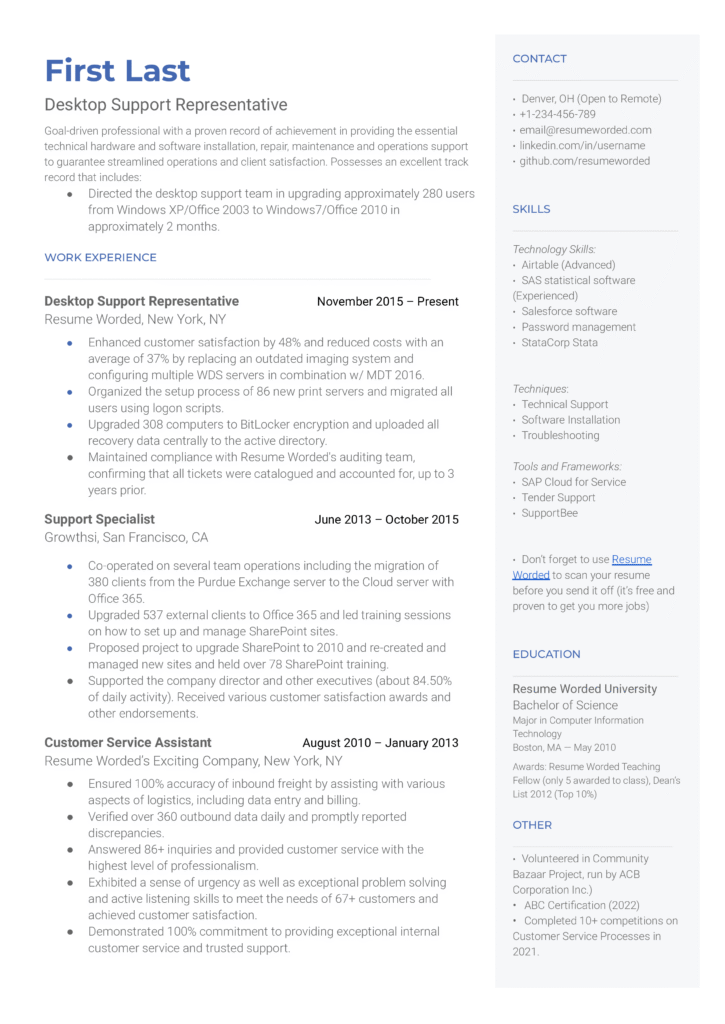
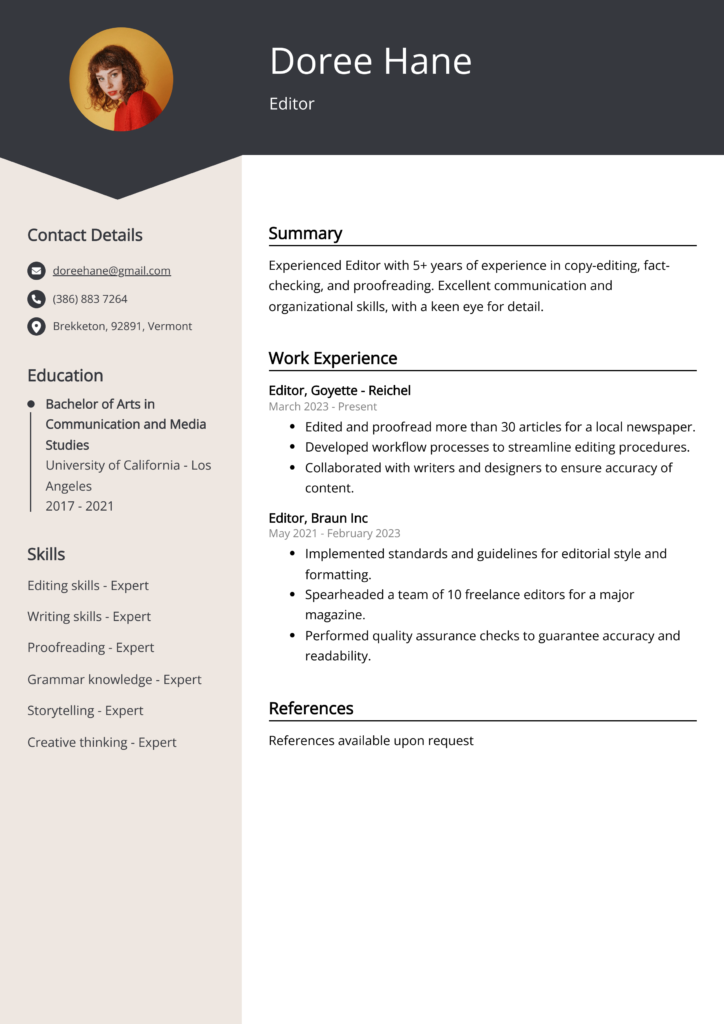
Start with a Strong Executive Summary
Your executive summary is the first thing recruiters see—so make it count.
What to Include:
- Your professional title
- Years of experience
- Key areas of expertise
- Major achievements
Example:
“Results-driven senior leader with 12+ years of experience in driving organizational growth, leading cross-functional teams, and delivering measurable business outcomes.”
Keep it concise, impactful, and tailored to the role you’re applying for.
How to Write an Executive CV (Page Executive): This article explains how to craft an executive-level resume by focusing on leadership, strategy, and change management. It emphasizes demonstrating both hard and soft skills with clear evidence to stand out.
Highlight Leadership and Strategic Impact
For high-level roles, your leadership experience is your biggest asset.
Focus On:
- Team leadership and development
- Decision-making responsibilities
- Strategic initiatives you led
- Organizational improvements
Example:
Instead of:
“Managed a team of 10 employees”
Say:
“Led a team of 10 professionals, increasing productivity by 25% through process optimization and leadership development.”
This approach shows not just what you did—but how well you did it.
Use Metrics to Show Results
Numbers make your achievements more credible and impactful.
Include Metrics Like:
- Revenue growth
- Cost savings
- Efficiency improvements
- Project outcomes
Example:
“Increased company revenue by 30% within two years by implementing new market strategies.”
These types of details are critical when applying advanced resume writing tips for executive-level roles.
Tailor Your Resume for Each Role

One of the most important resume writing tips is customization.
How to Tailor Your Resume:
- Analyze the job description
- Match your skills with the requirements
- Use relevant keywords
- Highlight the most relevant experience
This not only improves your chances with recruiters but also helps your resume pass Applicant Tracking Systems (ATS).
Showcase Key Skills and Core Competencies
High-level resumes should include a dedicated section for core competencies.
Examples of Skills:
- Strategic Planning
- Leadership & Team Development
- Change Management
- Financial Oversight
- Stakeholder Engagement
This section allows hiring managers to quickly see your strengths and expertise.
What Makes a Senior Executive Resume Stand Out? (Hanover Search): This guide highlights the importance of a strong professional summary and quantifiable achievements. It shows how using metrics and clear results can make your resume more compelling to recruiters.
Keep the Format Clean and Professional
Presentation matters—especially for senior roles.
Formatting Tips:
- Use a clean, modern layout
- Stick to professional fonts
- Keep your resume to 1–2 pages (or 2–3 for executives)
- Use bullet points for readability
Avoid clutter and focus on clarity.
Include Relevant Certifications and Education
For high-level positions, your credentials can strengthen your profile.
Examples:
- MBA or advanced degrees
- Leadership certifications
- Industry-specific training
Make sure to include only what’s relevant to the role.

Avoid Common Resume Mistakes
Even experienced professionals make mistakes that can hurt their chances.
Common Mistakes to Avoid:
- Listing responsibilities instead of achievements
- Using generic language
- Including outdated or irrelevant information
- Overloading the resume with too much detail
Keep your resume focused, clear, and results-driven.
Optimize for ATS (Applicant Tracking Systems)
Many companies use ATS software to screen resumes before a human sees them.
How to Optimize:
- Use keywords from the job description
- Avoid complex formatting
- Use standard headings (e.g., Experience, Skills, Education)
Following these resume writing tips ensures your resume gets past automated filters.
Emphasize Career Progression
Employers want to see growth and advancement.
Show Progression By:
- Highlighting promotions
- Demonstrating increased responsibilities
- Showing career milestones
This reinforces your readiness for high-level roles.
Add a Strong Closing Section
End your resume with additional value.
Optional Sections:
- Professional affiliations
- Board memberships
- Publications or speaking engagements
These elements can set you apart from other candidates.
Final Thoughts
Applying for high-level positions requires a strategic approach to resume writing. By focusing on leadership, measurable results, and clear presentation, you can create a resume that captures attention and communicates your value effectively.
Using these resume writing tips, you’ll be better equipped to position yourself as a strong candidate and take the next step in your career with confidence.
If you’re looking to strengthen your career advancement strategy even further, check out this helpful guide: Resume Tips for Career Advancement. It highlights how tailoring your resume, improving formatting, and showcasing your achievements can help you stand out and move forward professionally.
Explore our blog for more insights and helpful information.
Click here to learn more about our career and coaching services.
Have questions or feedback? Visit our Contact page (click here) — we’d love to hear from you.
