
In 2026, enhancing your professional skills is no longer optional—they are essential for staying competitive, adaptable, and successful in an ever-evolving workplace. As industries continue to transform through technology, globalization, and shifting workforce expectations, employees must continuously refine and expand their capabilities. Whether you’re just starting your career or aiming for leadership roles, mastering the right skills can set you apart.
This article explores the most important professional skills employees must learn in 2026 and how they can future-proof their careers.
1. Digital Literacy and Tech Adaptability
Technology continues to reshape how we work, making digital literacy one of the most critical professional skills. Employees are expected to understand digital tools, platforms, and systems relevant to their roles.
This doesn’t mean becoming a programmer, but it does involve being comfortable with workplace technologies such as project management tools, data dashboards, AI-powered assistants, and communication platforms. As artificial intelligence becomes more integrated into daily workflows, understanding how to collaborate with these tools will be key.
Adaptability is just as important as knowledge. New tools emerge quickly, and employees who can learn and adopt them efficiently will have a significant advantage.
2. Communication Skills
Clear and effective communication remains one of the most valuable professional skills in any workplace. In 2026, communication extends beyond face-to-face interactions and includes virtual meetings, emails, messaging platforms, and collaborative documents.
Employees must be able to:
- Convey ideas clearly and concisely
- Listen actively and respond thoughtfully
- Adjust tone and style based on the audience
- Communicate across cultures and remote teams
Strong communication builds trust, reduces misunderstandings, and improves overall productivity.
Top Workplace Skills Employers Will Demand in 2026 – This article highlights the growing importance of soft skills like communication, adaptability, and teamwork, alongside digital competence. It emphasizes that employers are increasingly prioritizing well-rounded candidates who can thrive in dynamic work environments.
3. Critical Thinking and Problem-Solving
Automation is taking over repetitive tasks, but human thinking remains irreplaceable. Critical thinking allows employees to analyze situations, evaluate options, and make informed decisions.
Problem-solving goes hand in hand with this skill. Employers value individuals who can identify challenges and propose effective solutions without constant supervision.
To strengthen this skill:
- Ask questions and challenge assumptions
- Break complex problems into smaller parts
- Use data to support decisions
- Learn from mistakes and iterate
These professional skills help employees contribute meaningfully to organizational success.
4. Emotional Intelligence (EQ)
Emotional intelligence is becoming just as important as technical expertise. It involves understanding your own emotions and recognizing the emotions of others.
In the workplace, this translates to:
- Managing stress effectively
- Building strong relationships
- Showing empathy toward colleagues
- Handling conflicts professionally
Employees with high emotional intelligence tend to work better in teams and are often seen as natural leaders.
5. Adaptability and Resilience
The pace of change in today’s work environment requires employees to be flexible and resilient. Unexpected challenges, shifting priorities, and new responsibilities are becoming the norm.
Adaptability means being open to change and willing to learn new ways of doing things. Resilience ensures that employees can recover from setbacks and continue moving forward.
Developing these professional skills involves:
- Embracing change rather than resisting it
- Staying positive during uncertainty
- Continuously learning and improving
- Maintaining a growth mindset

6. Time Management and Productivity
With remote and hybrid work models becoming more common, managing time effectively is crucial. Employees must be able to prioritize tasks, meet deadlines, and stay focused without constant supervision.
Key strategies include:
- Setting clear goals and deadlines
- Breaking tasks into manageable steps
- Minimizing distractions
- Using productivity tools
Good time management leads to better performance and reduced stress.
7. Collaboration and Teamwork
Modern workplaces rely heavily on collaboration, often across different locations and time zones. Being able to work effectively with others is one of the most essential professional skills in 2026.
Successful collaboration involves:
- Respecting diverse perspectives
- Sharing ideas openly
- Taking responsibility for group outcomes
- Supporting team members
Strong teamwork leads to better innovation and problem-solving.
8. Leadership and Initiative
Leadership is no longer limited to management roles. Employees at all levels are expected to take initiative and demonstrate leadership qualities.
This includes:
- Taking ownership of tasks
- Motivating others
- Making decisions confidently
- Leading by example
Even small acts of leadership can make a significant impact on team performance and workplace culture.
9. Continuous Learning and Skill Development
The most successful employees are those who never stop learning. With industries evolving rapidly, staying updated is essential.
Continuous learning can take many forms:
- Online courses and certifications
- Workshops and training programs
- Reading industry-related content
- Learning from peers and mentors
Investing in your development ensures that your professional skills remain relevant and competitive.
Mastering the Most Valuable Professional Skills of 2026 – This piece explores how technological advancements and AI are reshaping the workforce, making continuous learning and emotional intelligence critical. It also stresses the need for employees to develop leadership and problem-solving abilities to stay competitive.
10. Cultural Awareness and Global Mindset
As companies operate globally, employees must be able to work with people from diverse cultural backgrounds. Cultural awareness helps avoid misunderstandings and fosters inclusivity.
A global mindset involves:
- Respecting cultural differences
- Being open to new perspectives
- Communicating effectively across cultures
This skill is especially important in remote and international teams.
Why Professional Skills Matter More Than Ever
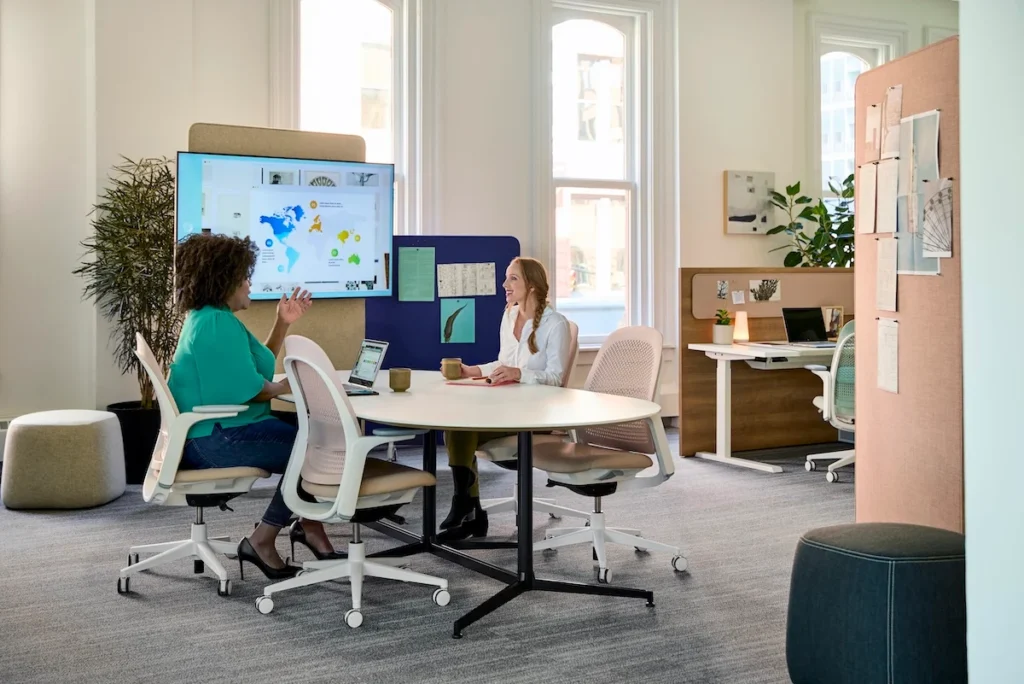
In 2026, employers are not just looking for technical expertise—they are looking for well-rounded individuals who can adapt, communicate, and lead. Professional skills enhance your ability to perform effectively, collaborate with others, and grow within your career.
These skills also improve job security. Employees who continuously develop themselves are better prepared to handle changes in their roles or industries.
How to Start Building These Skills
If you’re wondering where to begin, start small and stay consistent. Focus on one or two skills at a time and gradually expand your capabilities.
Here are some practical steps:
- Set personal development goals
- Seek feedback from colleagues or managers
- Practice new skills in real-world situations
- Track your progress and celebrate improvements
Remember, developing professional skills is a continuous journey, not a one-time effort.
Personal Growth: A Guide to Self-Improvement: This guide explores practical strategies for building better habits, improving mindset, and achieving long-term personal and professional growth—perfect for strengthening your professional skills in everyday life.
Final Thoughts
The workplace of 2026 demands more than just technical knowledge. By focusing on essential professional skills such as communication, adaptability, emotional intelligence, and critical thinking, employees can position themselves for long-term success.
Investing in these skills not only enhances your career prospects but also helps you thrive in a dynamic and competitive environment. Start building these capabilities today to stay ahead tomorrow.
Explore our blog for more insights and helpful information.
Click here to learn more about our career and coaching services.
Have questions or feedback? Visit our Contact page (click here) — we’d love to hear from you.

