
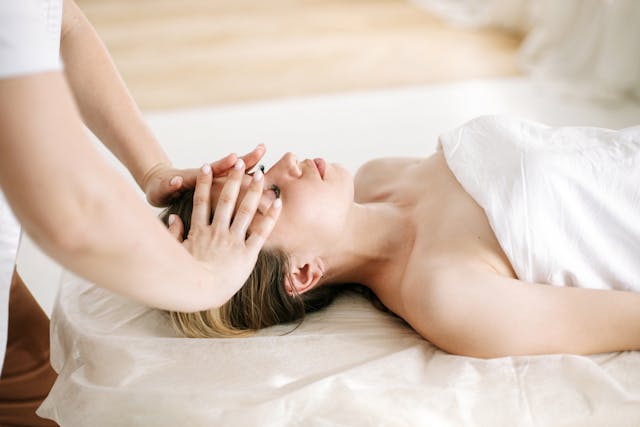
Menopause, health, and well-being are deeply connected, and this stage of life can be a powerful turning point—not an ending. Menopause is a natural transition, and with the right lifestyle choices, it can be a time of strength, balance, and renewed self-care. By focusing on healthy habits, movement, nutrition, and self-love, women can not only manage menopause symptoms but also live longer and age gracefully.
Studies by the National Institute of Health indicate that “a healthy lifestyle—combining regular exercise, balanced nutrition, and stress management—significantly improves quality of life, reduces vasomotor symptoms (hot flashes), and lowers chronic disease risk (cardiovascular disease, diabetes, osteoporosis) in menopausal women.”
Menopause, Health, and Well-Being Begin With Self-Love
Menopause, health, and well-being start with one essential foundation: loving yourself. This means listening to your body, respecting its limits, and giving it what it needs to thrive. During menopause, hormonal changes can affect energy levels, mood, joints, sleep, and metabolism. Instead of fighting these changes, embracing them with compassion allows you to make healthier, sustainable choices.
Self-care is not selfish—it is preventive medicine. When you prioritize your health, you reduce your risk of chronic disease, improve your quality of life, and support healthy aging.
Menopause, Health, and Well-Being and Healthy Eating Habits
An article by the Institute for Functional Medicine concluded that “Healthy nutrition can affect both longevity and quality of life in women at menopause and during postmenopausal years,21 and understanding the significant health impact of lifestyle habits during this phase of life is important. One study found that health education interventions that focused on lifestyle modifications given to women at menopause improved sustainability of health-promoting behaviors and ultimately enhanced the women’s health status.”
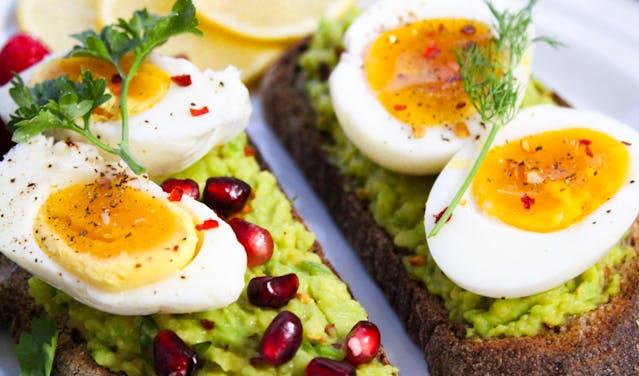
A balanced, nutritious diet plays a major role in menopause, health, and well-being. Eating healthy doesn’t mean extreme dieting; it means consistency and nourishment.
Healthy eating habits include:
- Eating plenty of fruits and vegetables
- Choosing lean proteins and healthy fats
- Reducing processed foods and excess sugar
- Staying hydrated
These habits support heart health, bone density, and weight management—all areas that can be affected during menopause. Proper nutrition also helps stabilize blood sugar levels, which may reduce hot flashes, fatigue, and mood swings.
Staying Active Without Exhausting Yourself
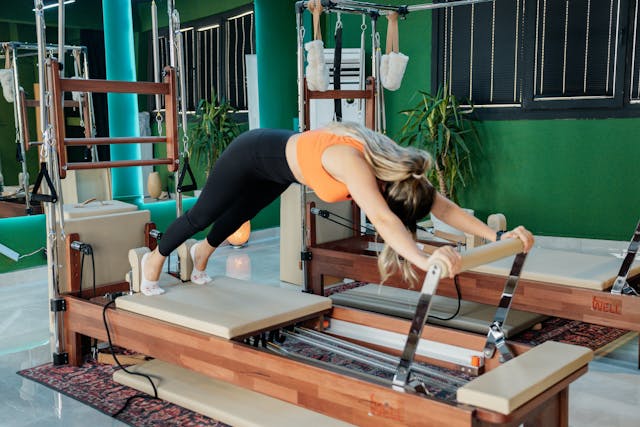
When it comes to menopause, health, and well-being, exercise is essential—but it does not need to be strenuous. Studies consistently show that regular physical activity helps people live longer, improves cardiovascular health, strengthens bones, and supports mental well-being.
The key is staying active in ways that fit your lifestyle.
For example, one thing I do is take a walk during my lunch break around my job. I also take 15-minute breaks and go for a walk every day. On the weekends, I work in my yard and try to walk to nearby places—such as the bank or local stores—instead of driving. These simple habits keep me moving without overwhelming my body.
Walking, stretching, gardening, light strength training, and daily movement are all powerful tools for healthy aging. Consistency matters more than intensity.
Exercise, Longevity, and Menopause Symptoms
Research has found that regular exercise is one of the most important factors for living longer. Movement helps:
- Improve circulation and heart health
- Maintain muscle and bone strength
- Reduce stress and anxiety
- Improve sleep quality
For women in menopause, physical activity can also help alleviate symptoms such as joint pain, weight gain, low energy, and mood changes. Exercise supports hormone balance and boosts endorphins, which naturally improve how you feel.
Here you can find a compilation of the “The Best Sports for Longevity”
Supplements and Menopause, Health, and Well-Being
Supplements can also play a supportive role in menopause, health, and well-being, especially when used wisely and alongside a healthy diet.
For example, after suffering a knee injury, I experienced significant joint pain. I started taking vitamin K2 combined with vitamin D3, and it helped me tremendously with joint discomfort. These vitamins support bone health and calcium absorption, which are especially important during and after menopause.
In the winter months, taking vitamin D3 is particularly important because we have less exposure to sunlight. Low vitamin D levels are common and can affect bones, immunity, mood, and overall energy.
As always, supplements should complement—not replace—a healthy lifestyle, and it’s wise to discuss them with a healthcare provider.
Here you can find “11 Supplements for Menopause”
Aging Gracefully Through Healthy Living
Menopause, health, and well-being are not about perfection—they’re about balance. Aging gracefully means caring for your body, honoring your limits, staying active, and making choices that support long-term health.
By adopting healthy eating habits, moving your body daily, managing stress, and supporting your body with proper nutrients, you can reduce menopause symptoms and improve your overall quality of life. Most importantly, when you love yourself and invest in your health, you create the foundation for a longer, healthier, and more fulfilling life.
Explore our blog for more insights and helpful information.
Click here to learn more about our career and coaching services.
Have questions or feedback? Visit our Contact page (click here) — we’d love to hear from you.


One comment on “Menopause, Health, and Well-Being: How to Live Longer and Age Gracefully”
Comments are closed.