

Life after retirement is often imagined as a time of rest and relaxation after decades of hard work. However, for many seniors in the United States, the reality can be much more complicated. With today’s economic pressures, the average person often spends a lifetime working long hours at one, two, or even three jobs just to make ends meet. After years of this demanding lifestyle, many retirees find themselves suddenly facing a very different challenge: having too much free time and not knowing what to do with it.
This drastic shift can lead to feelings of loneliness, boredom, and even depression. Studies have shown that social isolation and inactivity can negatively impact seniors’ mental health and reduce life expectancy. That’s why it’s so important for retirees to stay active, both physically and socially, after leaving the workforce.
Fortunately, there are many ways to fill retirement with meaningful activities and connections:
Volunteer Opportunities
One powerful way to combat loneliness is by giving back to the community. Websites dedicated to volunteer opportunities make it easy to find placements in local food pantries, hospitals, schools, or other community programs. Even volunteering just one or two times a week can bring structure, purpose, and social interaction to a retiree’s life.
Seniors can find meaningful, flexible volunteer opportunities through programs like AmeriCorps Seniors (RSVP, Foster Grandparents), which offer roles in tutoring, mentoring, and community service. Local options include food pantries (Citymeals on Wheels), animal shelters, libraries, museums, and hospitals.
Senior Programs in New York
In New York, many communities offer excellent programs for seniors. Day programs provide meals, social activities, and even group shopping trips, allowing older adults to connect with people their own age. Community centers frequently host daily events, exercise classes, and hobby groups—all for free. Public libraries are another valuable resource, often hosting talks, book clubs, workshops, and other events where seniors can meet new people while engaging in lifelong learning.
New York offers extensive programs for seniors aged 60+, including over 300 free Older Adult Centers, nutritional support, fitness classes, and specialized care. Key resources include NYC Aging, NY Foundation for Senior Citizens, and local NORC programs for aging in place. Services feature meals, legal aid, social activities, and transportation, with many free options.
Faith-Based and Community Activities
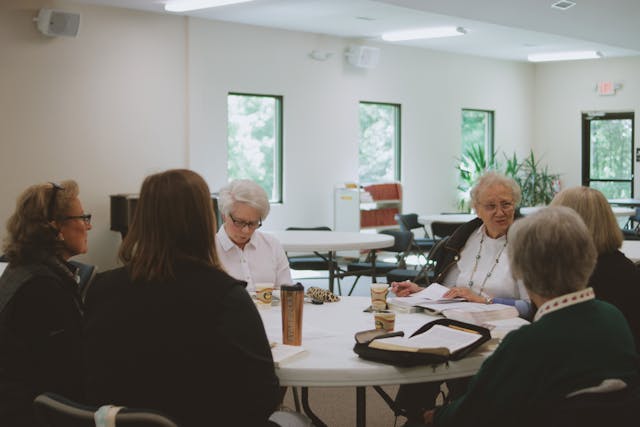
Religious organizations and places of worship also play a vital role in supporting seniors. Many churches, synagogues, and mosques organize community activities, from social gatherings to volunteer opportunities in soup kitchens and food pantries. These programs not only give retirees something to look forward to but also foster a sense of belonging.
Faith-based and community activities for seniors, such as those provided by The Salvation Army or local churches, offer essential social, spiritual, and physical stimulation to prevent isolation and promote well-being.
The Importance of Exercise
Staying physically active is equally important. Regular exercise helps maintain mobility, improves overall health, and boosts mood by releasing endorphins, the body’s natural “feel-good” chemicals. Whether it’s daily walks, yoga, or group exercise classes at a community center, keeping the body moving can greatly reduce depression and promote a more positive outlook on life.
According to research by John Hopkins University School of Medicine, “Exercise has also been shown to help people of all ages. That’s because it helps to lower blood pressure, lower the risks of falls and serious injuries (such as hip or wrist fractures), and slow the body’s loss of muscle and bone mass.”

Part-Time Work After Retirement
For many retirees, part-time work is another fulfilling option. Jobs at local supermarkets, libraries, schools, or other community businesses can provide structure, social interaction, and a little extra income—perfect for vacations or personal expenses. Even working just a few days a week can help retirees feel productive and engaged.
Support Groups and Social Connections
Retirement can be a difficult adjustment, and some seniors may need extra support. Luckily, there are many support groups available for retirees who struggle with the emotional transition. These groups provide a safe space to share experiences, build friendships, and learn coping strategies.
Top resources include local senior centers, religious organizations, specialized online forums, and programs like the Institute on Aging’s Friendship Line
Final Thoughts
Retirement does not have to mean sitting at home feeling isolated. While the challenges are real, there are countless opportunities for seniors to stay active, engaged, and fulfilled. Whether through volunteering, joining senior programs, exercising, working part-time, or attending support groups, retirees can create a lifestyle filled with purpose and connection. Staying active—physically, mentally, and socially—is the key to making retirement a rewarding chapter of life.
Check out our blog for more information!
Click here for resume writing services!
Please use the contact page (click here) to share your questions and thoughts.

