

Emotional Intelligence is one of the most powerful skills women can develop to become confident, effective leaders. It is the key to confident and impactful leadership. In today’s workplaces and communities, leadership is no longer just about authority or technical ability—it’s about understanding people, managing emotions, building relationships, and inspiring others.
Women who develop emotional intelligence often discover that their natural empathy, communication skills, and self-awareness become strengths that help them guide teams, resolve conflicts, and create supportive environments where everyone can succeed.
What Is Emotional Intelligence?
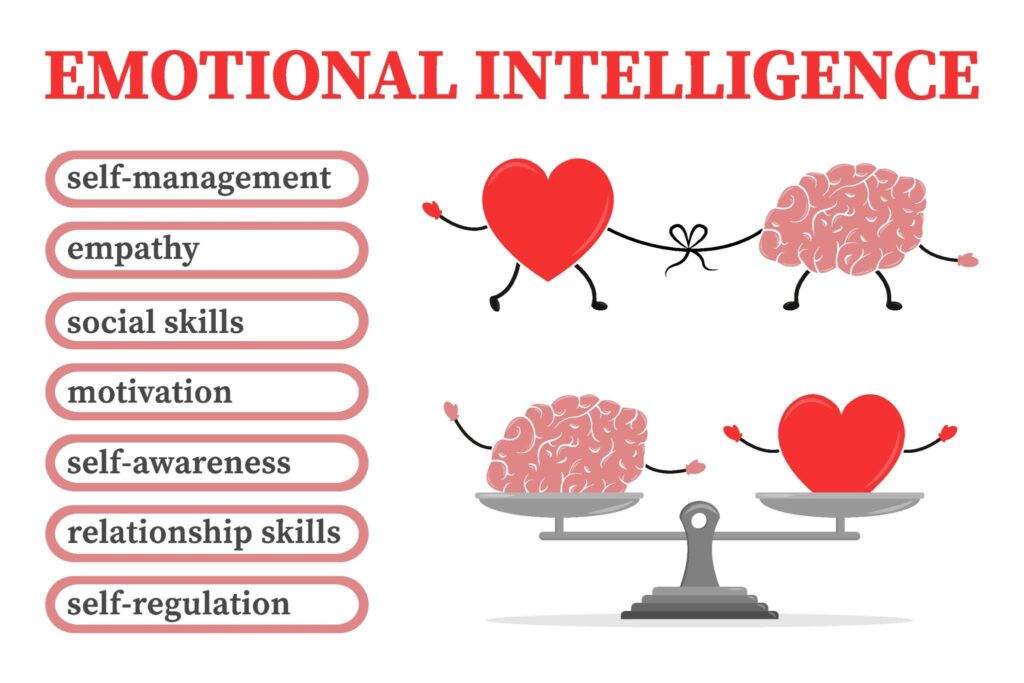
Emotional intelligence is the ability to recognize, understand, and manage your own emotions while also recognizing and influencing the emotions of others. It combines self-awareness, empathy, communication, and emotional regulation.
Psychologists generally describe emotional intelligence as having five core components:
- Self-awareness – Understanding your emotions and how they influence your actions.
- Self-regulation – Managing emotional reactions in a healthy way.
- Motivation – Staying focused and resilient even during challenges.
- Empathy – Understanding the feelings and perspectives of others.
- Social skills – Building strong relationships and communicating effectively.
These skills are especially valuable for leaders who must navigate different personalities, workplace pressures, and team dynamics.
Why Emotional Intelligence Matters in Leadership
Leadership today requires more than strategic thinking or technical knowledge. Teams respond best to leaders who listen, communicate clearly, and create trust.
This is where emotional intelligence makes a difference. Leaders with strong emotional awareness can:
- Understand team members’ motivations
- Manage stress and workplace tension
- Handle conflict calmly and constructively
- Inspire collaboration and trust
- Create inclusive environments
Research consistently shows that leaders with high emotional intelligence build stronger teams and produce better results because people feel valued, understood, and motivated.
Emotional Intelligence in Leadership: This article by Harvard Business School Online explains how emotional intelligence helps leaders manage stress, coach teams, and collaborate effectively, and why many employers value it more than technical skills.
The Unique Strengths Women Bring to Leadership
Women often demonstrate strong emotional awareness, relationship building, and communication skills—qualities that align closely with emotional intelligence. While leadership styles vary from person to person, many women naturally excel in areas such as:
- Active listening
- Empathy and understanding
- Collaborative decision-making
- Relationship building
- Conflict resolution
These strengths help women connect with team members on a deeper level. When people feel heard and supported, they become more engaged and productive.
Rather than seeing these traits as “soft skills,” organizations are increasingly recognizing them as essential leadership qualities.
Emotional Intelligence Builds Confidence

Confidence is one of the biggest barriers many women face when stepping into leadership roles. Doubts about experience, qualifications, or authority can sometimes hold talented women back.
Developing emotional intelligence can help overcome these challenges. Self-awareness allows leaders to recognize limiting beliefs and replace them with constructive thinking. Instead of focusing on perceived weaknesses, emotionally intelligent leaders learn to focus on growth, learning, and resilience. This mindset helps women:
- Speak up with confidence
- Make decisions without excessive self-doubt
- Handle criticism constructively
- Lead with authenticity
Confidence built through emotional intelligence is not about pretending to have all the answers. It’s about trusting your ability to learn, adapt, and guide others.
Strong Relationships Create Strong Teams
Leadership is ultimately about people. A leader’s ability to build relationships often determines the success of a team.
Women leaders who practice emotional intelligence understand how to create environments where team members feel safe, respected, and motivated. They often do this by:
- Listening actively during discussions
- Recognizing individual contributions
- Addressing concerns early
- Encouraging collaboration instead of competition
These behaviors create trust within teams. When employees feel respected and valued, they are more willing to contribute ideas, solve problems creatively, and support each other. Trust also improves communication, which reduces misunderstandings and workplace stress.
Emotional Intelligence Helps Manage Conflict
Conflict is a natural part of any workplace. Differences in opinions, priorities, or personalities can sometimes create tension.
Emotionally intelligent leaders approach conflict differently. Instead of reacting emotionally or avoiding difficult conversations, they focus on understanding the situation from multiple perspectives. This approach helps leaders:
- Identify the root cause of conflict
- Encourage open dialogue
- Keep conversations respectful and productive
- Guide teams toward solutions that benefit everyone
Women leaders who use emotional intelligence during conflicts often strengthen relationships rather than damage them.
Decision-Making with Emotional Awareness

Leadership decisions often involve both logic and emotion. Ignoring either side can lead to poor outcomes.
Emotionally intelligent leaders understand how emotions influence decisions. They pause before reacting, consider the perspectives of others, and gather information before choosing a path forward.
This balanced approach leads to decisions that are both thoughtful and practical. When leaders show emotional awareness during decision-making, teams are more likely to trust their judgment and support the final outcome.
Emotional Intelligence Encourages Inclusive Leadership
Inclusive leadership has become a major priority for organizations around the world. Teams are stronger when diverse voices are heard and respected.
Emotional intelligence helps leaders recognize different perspectives, experiences, and communication styles.
Women who lead with empathy and understanding often create workplaces where everyone feels comfortable contributing ideas and sharing feedback. Inclusive leaders:
- Encourage diverse viewpoints
- Recognize unconscious bias
- Foster respectful dialogue
- Promote fairness and opportunity
These environments lead to stronger innovation, better collaboration, and healthier workplace cultures.
Developing Emotional Intelligence
The good news is that emotional intelligence is not something people are simply born with—it can be developed over time. Women who want to strengthen their leadership abilities can practice emotional intelligence by focusing on a few key habits:
Practice Self-Reflection
Regularly reflect on how emotions influence your reactions and decisions. Journaling or quiet reflection can help increase self-awareness.
Listen with Empathy
When others speak, focus fully on understanding their perspective instead of planning your response.
Pause Before Reacting
Strong emotions can lead to impulsive decisions. Taking a moment to pause allows you to respond more thoughtfully.
Ask for Feedback
Constructive feedback from trusted colleagues or mentors can reveal emotional blind spots and support growth.
Build Strong Communication Skills
Clear, respectful communication helps leaders connect with others and resolve misunderstandings before they escalate.
Over time, these habits strengthen emotional intelligence and improve leadership effectiveness.
Women Score Higher Than Men in Most Leadership Skills: This research-based article by Harvard Business School Online discusses how women often score highly in leadership abilities such as communication, teamwork, and relationship-building.
The Future of Leadership
As workplaces evolve, leadership is shifting toward collaboration, empathy, and emotional awareness. Organizations are recognizing that successful leaders are those who understand people as much as they understand strategy.
Women who embrace emotional intelligence are well positioned to thrive in this changing leadership landscape. Their ability to build relationships, communicate clearly, and lead with empathy allows them to guide teams through challenges while maintaining trust and motivation.
In a world that increasingly values connection and collaboration, emotional intelligence is not just a helpful skill—it is a leadership advantage.
Women who want to strengthen their leadership abilities can continue building skills like communication, decision-making, and confidence. Learning the Leadership Skills Women Need to Advance in Their Careers can help turn emotional intelligence into real professional growth.
Explore our blog for more insights and helpful information.
Click here to learn more about our career and coaching services.
Have questions or feedback? Visit our Contact page (click here) — we’d love to hear from you.

