

Separation is never easy. It affects not only the couple but, most importantly, the children. During this challenging time, emotions can run high, but your primary focus should always remain on your children’s well-being. These co-parenting tips are designed especially as co-parenting tips for single mother households, helping you create stability, healing, and a healthy environment for your children.
Why Co-Parenting Matters After Separation
Children thrive in environments where they feel loved, secure, and supported by both parents. While every family dynamic is different, maintaining strong involvement from both parents often provides emotional balance, structure, and consistency.
Separation may end a relationship between partners, but it does not end the responsibility of parenting. The goal of healthy co-parenting is to ensure that children continue to have meaningful relationships with both parents whenever possible.
Here is a a guide to raising happy, resilient children:
1. Make Your Children the Priority
The most important of all co-parenting tips is simple: children come first.
No matter what happened in the relationship—whether it involved infidelity, financial issues, or communication problems—your children should not carry that burden. Keep adult conflicts separate from parenting decisions. Avoid speaking negatively about the other parent in front of your children.
When children see cooperation and respect between parents, they feel safer and more emotionally secure.
Our Family Wizard offers 10 Positive Co-Parenting Tips. Read more here.
2. Focus on Healing and Self-Growth
One of the most powerful co-parenting tips for single mother households is to prioritize your own healing.
You cannot pour from an empty cup. Consider:
- Individual therapy or counseling
- Support groups for single mothers
- Journaling or faith-based reflection
- Prioritizing rest and self-care
Forgiveness is essential. Holding onto resentment only prolongs emotional pain. While forgiveness does not excuse past behavior, it frees you to move forward peacefully—for yourself and your children.
Remember: moving on is part of growth. Focus on becoming the healthiest version of yourself.
3. Create a Clear Custody and Visitation Plan
Structure reduces confusion and conflict. A written parenting plan is one of the most practical co-parenting tips you can implement. Your plan should outline:
- Custody arrangements
- Visitation schedules
- Holidays and special occasions
- Transportation responsibilities
- Decision-making processes (education, healthcare, etc.)
Whenever possible, consider a balanced arrangement, such as a 50-50 shared responsibility schedule, if it is in the best interest of the child and both parents are capable and committed.
Having a clear custody visitation plan minimizes misunderstandings and ensures consistency for your children.
4. Maintain Consistent Communication
Effective communication is key to successful co-parenting.
- Keep conversations child-focused.
- Use respectful language.
- Consider co-parenting apps if direct communication is difficult.
- Share important updates about school, medical appointments, and activities.
Healthy communication reduces stress and models maturity for your children.
5. Keep Children Engaged and Supported
Children going through separation need reassurance and stability. Keep them occupied with:
- Extracurricular activities
- Family traditions
- Academic support
- Open conversations about their feelings
Encourage them to express their emotions without fear of judgment. Reassure them that both parents love them and that the separation is not their fault.
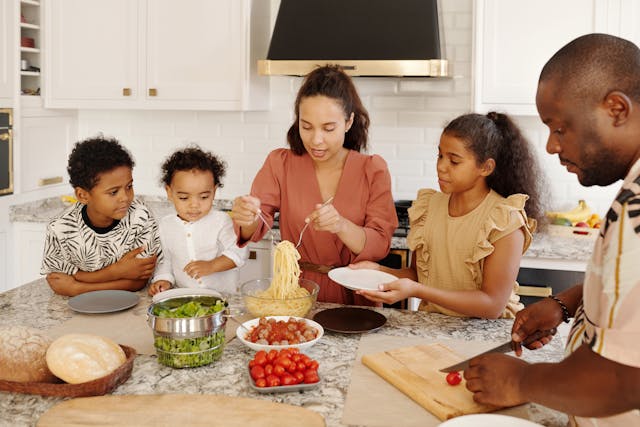
6. Encourage a Relationship With Both Parents
One of the most important co-parenting tips for single mother families is to support your child’s relationship with their father whenever it is safe and appropriate.
Children benefit from love, guidance, and support from both parents. Research consistently shows that children who maintain healthy relationships with both parents often demonstrate stronger emotional, academic, and social outcomes compared to those experiencing high-conflict or limited parental involvement.
The key is not simply two parents in the home—but two parents who are cooperative, present, and emotionally supportive.
Research shows that for children whose parents do not stay together, 50/50 timesharing is best. A 2023 analysis of existing research found that on many measures, children in shared parenting arrangements “do equally well compared to children in nuclear families.”
7. Let Go of Grudges
Separation often brings hurt, betrayal, or financial stress. However, prolonged anger only harms your peace and indirectly affects your children.
Forgiveness is the first step toward emotional freedom. When you release resentment, you create room for healthier communication and co-parenting cooperation.
Your children deserve a peaceful environment—not one filled with ongoing conflict.
Final Thoughts: Building a Healthy Co-Parenting Future
Separation is painful, but it does not define your future. With the right mindset and intentional effort, co-parenting can become a stable and healthy arrangement for your family.
These co-parenting tips are meant to empower you as a single mother:
- Focus on healing
- Prioritize your children
- Create structured custody plans
- Communicate respectfully
- Encourage involvement from both parents
Above all, remember this: your strength, resilience, and commitment to your children will shape their future more than any past relationship ever could.
Healing takes time—but brighter days are ahead.
Explore our blog for more insights and helpful information.
Click here to learn more about our career and coaching services.
Have questions or feedback? Visit our Contact page (click here) — we’d love to hear from you.

