

Generational cycles often shape the way we parent, communicate, and respond to stress—sometimes without us even realizing it. For many single moms, recognizing these patterns is the first step toward creating a healthier, more emotionally safe home for their children.
The good news is that you don’t have to be perfect to change the future. You simply have to be intentional.
More mothers today are becoming aware of gentle parenting, emotional intelligence, and trauma-informed parenting. They’re asking important questions: How do I parent differently than I was raised? How do I teach my child emotional safety if I never experienced it myself?
Breaking generational patterns can feel overwhelming, but every small step you take toward healing matters. When a single mom chooses growth, reflection, and compassion, she has the power to reshape her family’s story for generations to come.
Understanding Generational Cycles
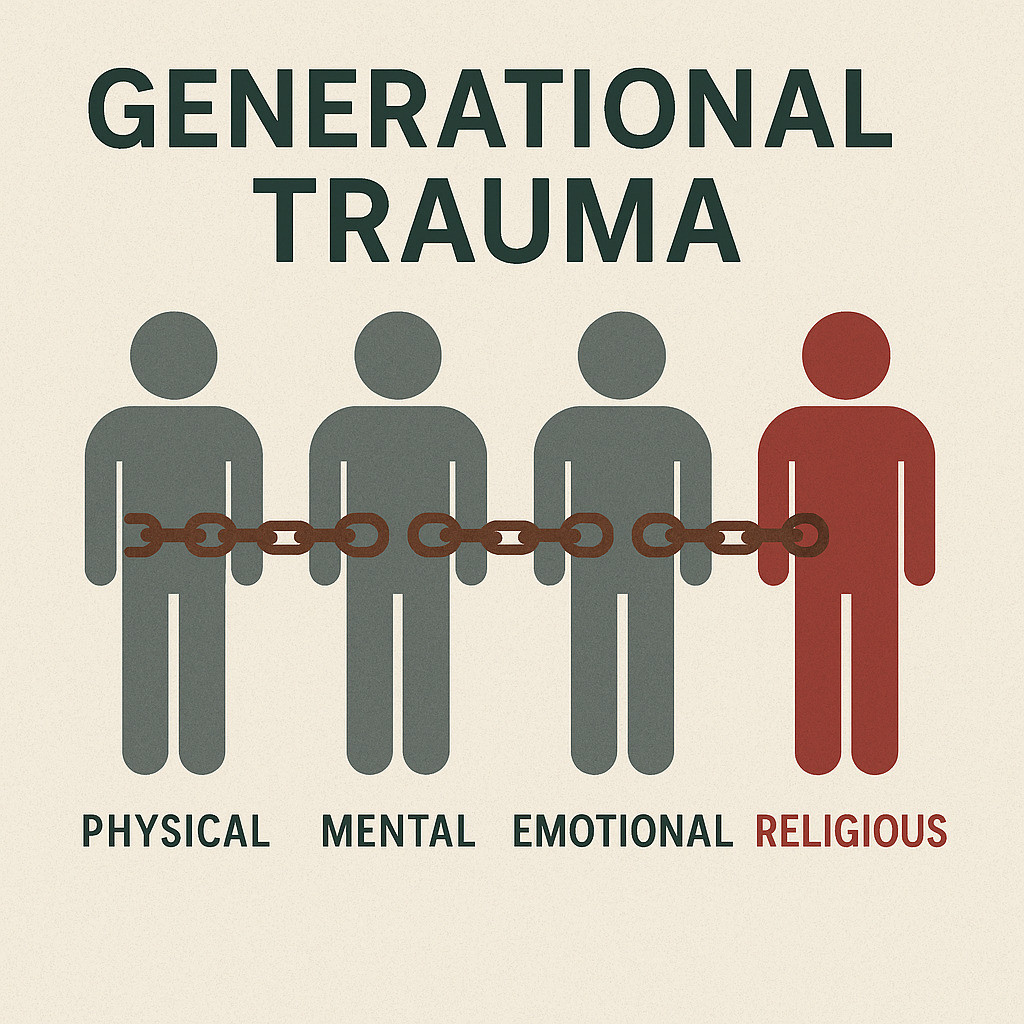
Generational cycles refer to patterns of behavior, beliefs, and emotional responses that are passed down from one generation to the next. These patterns often develop through lived experiences, trauma, cultural expectations, and learned parenting styles.
For example, if you were raised in a home where emotions were dismissed or discipline was harsh, you might instinctively respond the same way with your child—even if you don’t want to. Common generational patterns include:
- Suppressing emotions or discouraging vulnerability
- Harsh or reactive discipline
- Emotional distance between parents and children
- Parentification, where children take on adult responsibilities
- Difficulty apologizing or acknowledging mistakes
Recognizing these patterns doesn’t mean blaming your parents. Most caregivers did the best they could with the tools they had. But awareness gives you the opportunity to choose a different path.
Breaking generational cycles begins with noticing the patterns, reflecting on how they affect you, and consciously deciding what you want to change.
generational cycles, breaking generational cycles, single mom parenting, gentle parenting, emotional intelligence parenting, trauma informed parenting, conscious parenting, parenting healing, healthy parenting habits, emotional safety for children.
Parenting Differently Than You Were Raised
Many single moms feel the weight of trying to do better for their children than what they experienced growing up. That pressure can feel heavy, but it can also be empowering.
Parenting differently doesn’t mean rejecting everything from your upbringing. Instead, it means thoughtfully deciding what values and practices you want to carry forward—and what you want to leave behind. Here are a few ways to start:
Reflect on Your Childhood Experiences
Ask yourself questions like:
- What parenting moments made me feel safe and loved?
- What experiences hurt me or made me feel unseen?
- What do I want my child to feel when they think about home?
Reflection helps you identify which habits are worth keeping and which ones need healing.
Focus on Emotional Connection
Children thrive when they feel emotionally secure. Simple habits like listening without interrupting, validating feelings, and spending quality time together help build trust.
Instead of saying, “Stop crying,” try saying, “I see you’re upset. Do you want to tell me what happened?” This shift teaches children that emotions are safe to express.
Apologizing to Your Child Without Losing Authority

Many parents grew up believing that adults should never apologize to children. But apologizing doesn’t weaken authority—it strengthens trust.
When you acknowledge mistakes, you model accountability and emotional maturity. Your child learns that everyone makes mistakes, and what matters most is taking responsibility. For example:
- “I’m sorry I raised my voice earlier. I was frustrated, but I should have handled it better.”
- “I didn’t listen carefully before responding, and I want to do better.”
This kind of honesty teaches children healthy communication and conflict resolution. It also helps break generational cycles where children were expected to suppress their feelings or accept unfair treatment without question.
Regulating Yourself Before Disciplining
One of the biggest challenges in parenting is responding calmly during stressful moments. When children act out, it’s easy to react with frustration or anger. But discipline is most effective when it comes from a regulated, thoughtful place. Before addressing your child’s behavior, try pausing and asking yourself:
- Am I reacting emotionally or responding intentionally?
- What lesson do I want my child to learn from this moment?
Sometimes stepping away for a few breaths can prevent escalation. Strategies that help with self-regulation include:
- Deep breathing or grounding exercises
- Taking a short pause before responding
- Naming your emotions instead of suppressing them
- Practicing self-compassion when parenting feels hard
When children see a parent manage emotions in healthy ways, they learn how to do the same. This emotional awareness plays a powerful role in stopping generational cycles of reactive or fear-based discipline.
Breaking Generational Cycles with Trauma‑Informed Parenting: This article explains how trauma-informed parenting helps parents shift from reactive discipline to intentional, emotionally safe responses. It emphasizes recognizing triggers, prioritizing emotional safety, and responding with connection rather than control.
Avoiding Emotional Parentification
Parentification happens when a child is placed in the role of emotional caretaker for a parent. This might look like a child feeling responsible for comforting their parent, managing household stress, or acting as a confidant for adult problems.
Single moms sometimes experience this unintentionally because parenting alone can be overwhelming. Without support, it’s tempting to lean heavily on your child emotionally. However, children need the freedom to simply be children.
Healthy boundaries might include:
- Sharing age-appropriate information instead of adult burdens
- Seeking emotional support from friends, family, or therapy
- Encouraging children to express their own feelings without feeling responsible for yours
Building a supportive network for yourself helps prevent emotional overload and protects your child’s development.
Building a Home Culture of Safety and Respect
One of the most powerful ways to change family patterns is by intentionally creating a home environment that values emotional safety. A safe home culture means that everyone’s feelings matter, communication is respectful, and mistakes are treated as learning opportunities. Here are ways to cultivate that environment:
Encourage Open Conversations
Let your child know they can talk to you about anything—without fear of punishment or judgment.
Create Consistent Routines
Predictable routines give children a sense of stability and security.
Celebrate Effort, Not Just Results
Praise persistence, creativity, and kindness rather than only achievements.
Practice Mutual Respect
Respect flows both ways. When children feel respected, they are more likely to show respect in return. These small daily practices create a foundation where trust and emotional connection thrive.
Healing While You Parent
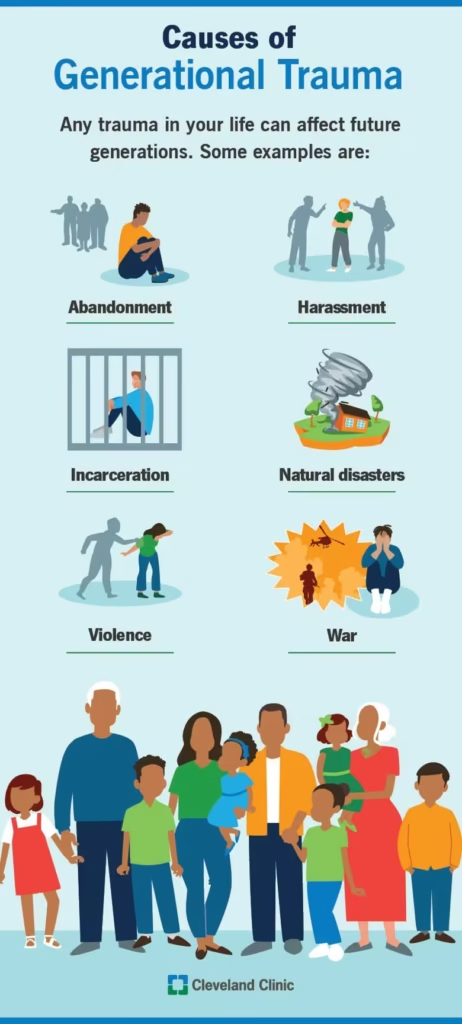
Breaking family patterns isn’t just about changing how you parent—it’s also about healing yourself. Many single moms are navigating their own unresolved childhood wounds while raising children at the same time.
That process can feel messy and emotional, but it’s also deeply transformative. Ways to support your own healing include:
- Therapy or counseling
- Journaling and self-reflection
- Parenting education or support groups
- Practicing self-care and rest
Healing doesn’t happen overnight. It’s a gradual journey that unfolds with patience and compassion. Remember, your child doesn’t need a flawless parent. They need a parent who is willing to grow.
Breaking Generational Patterns: Parenting Strategies to Foster Secure Attachment: This resource discusses practical ways to reshape parenting habits, including practicing self-awareness, developing emotional regulation skills, and responding sensitively to children’s needs to build secure attachment.
Progress Over Perfection
One of the biggest myths about parenting is that you must get everything right. In reality, parenting is full of trial and error. You will have hard days. You will make mistakes. You will sometimes react in ways you wish you hadn’t. But progress matters more than perfection.
Every time you pause before reacting, listen to your child’s feelings, or apologize after a mistake, you are creating a new pattern. Those small moments of intention are what slowly reshape family history.
Breaking generational cycles doesn’t require perfection—it requires awareness, compassion, and the courage to keep trying.
Creating a New Legacy
The work you’re doing today will echo into the future. Children who grow up feeling emotionally safe are more likely to carry those same values into their own relationships and families. By choosing mindful parenting, you’re building something powerful:
- Emotional resilience
- Healthy communication skills
- Self-worth and confidence
- Strong, trusting relationships
As a single mom, your influence is profound. Your home can become a place where love, respect, and emotional safety are the foundation of everyday life. And that legacy can last for generations. Because the truth is simple but powerful:
Breaking generational cycles also requires mental clarity and emotional awareness. For single moms who make countless decisions every day, burnout can make intentional parenting harder. If you often feel overwhelmed by constant choices, learning how to manage decision fatigue can help you stay present and responsive with your child.
You can explore practical strategies in this guide on Handling Decision Fatigue As A Single Mom, which explains how the mental load of parenting alone can lead to exhaustion and how small systems can reduce stress.
You don’t have to be perfect — just intentional.
Explore our blog for more insights and helpful information.
Click here to learn more about our career and coaching services.
Have questions or feedback? Visit our Contact page (click here) — we’d love to hear from you.

