

Social Media Safety Tips: Conversations Every Parent Should Have
Social media has become a major part of everyday life for children and teenagers. From sharing photos and videos to chatting with friends and following influencers, young people spend a significant amount of time online. While social media offers opportunities for connection and learning, it also comes with risks that every parent should understand. That’s why having open and honest conversations about social media safety is one of the most important things parents can do.
Whether you’re part of a two-parent household or a single mom managing everything on your own, creating a safe online environment starts with communication. Children who understand the potential dangers of social media are more likely to make smart decisions and seek help when something doesn’t feel right.
Here are the most important social media safety conversations every parent should have with their children.
Start the Conversation Early
Many parents wait until their children are already using social media before discussing online safety. However, these conversations should begin before a child creates their first account.
Explain that social media can be a fun tool for connecting with friends and learning new things, but it also requires responsibility. Children should understand that the internet is a public space and that their actions online can have lasting consequences.
Starting early helps establish trust and makes future conversations easier.
Discuss Privacy Settings
One of the first lessons children should learn is how to protect their privacy online. Teach them to:
- Keep accounts private whenever possible
- Limit who can view their posts
- Avoid sharing personal information
- Review privacy settings regularly
- Be cautious when accepting friend requests
Many children don’t realize how much information strangers can gather from public profiles. Parents should periodically review privacy settings together and explain why these protections matter.
Explain That Not Everyone Online Is Who They Claim to Be
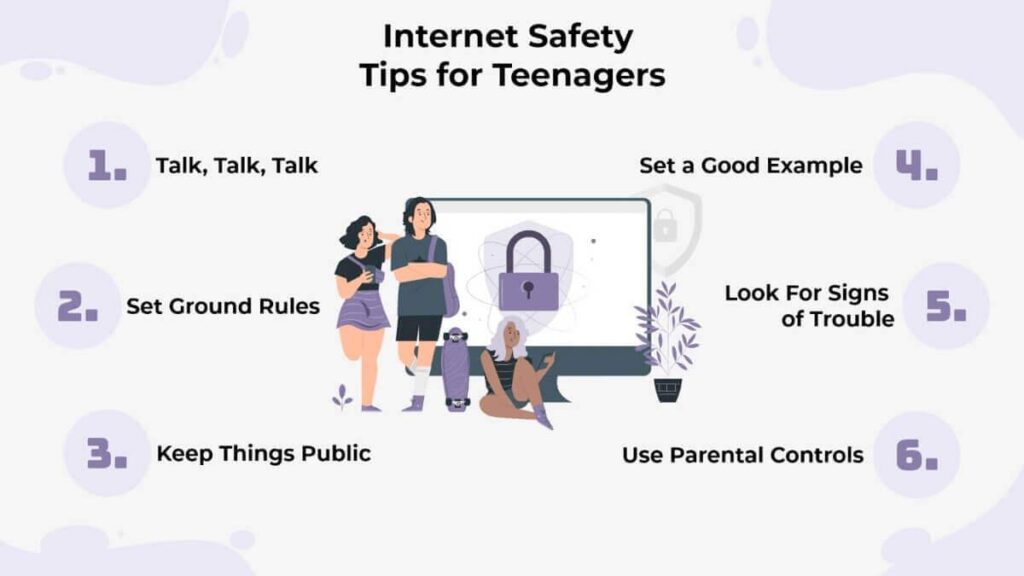
Children often assume that people online are honest about their identity. Unfortunately, this is not always true. Talk to your children about:
- Fake profiles
- Online scams
- Catfishing
- Predatory behavior
- Strangers attempting to gain trust
Remind them never to share personal information, photos, school details, or home addresses with people they only know through social media.
A single mom may not always be able to monitor every online interaction, making these conversations even more important.
Talk About Oversharing
Many young people don’t fully understand how much information they reveal online. Explain why they should avoid posting:
- Home addresses
- Phone numbers
- School locations
- Vacation plans
- Daily routines
- Financial information
Even innocent posts can sometimes provide information that others can misuse. Help children understand that once something is shared online, it may be impossible to remove completely.
Address Cyberbullying
Cyberbullying remains one of the most serious concerns related to social media. Children should know:
- What cyberbullying looks like
- How to block users
- When to report inappropriate behavior
- Why they should never participate in bullying
- When to tell a trusted adult
Encourage your child to come to you immediately if they experience harassment, threats, or repeated negative comments online. Creating a judgment-free environment makes it more likely they will ask for help when needed.
Teach Critical Thinking
Not everything posted on social media is true. Children should learn how to:
- Verify information
- Recognize misinformation
- Question sensational headlines
- Identify fake accounts
- Check reliable sources
Critical thinking skills help young people become smarter digital citizens and reduce the likelihood of being manipulated by false information.
Discuss Screen Time Balance
Social media can easily become addictive. Talk with your children about:
- Setting daily limits
- Taking breaks from screens
- Prioritizing homework
- Spending time outdoors
- Maintaining real-world friendships
Healthy boundaries help children enjoy social media without allowing it to negatively impact their mental health, sleep, or academic performance.
For a busy single mom, establishing clear screen-time expectations can also reduce household conflicts and create more structure.
Explain the Importance of Digital Footprints
Every post, comment, photo, and video contributes to a person’s digital footprint. Children should understand that future employers, colleges, coaches, and scholarship committees may review social media profiles. Ask them to consider:
- Would I be comfortable if a teacher saw this?
- Would I want a future employer to see this?
- Could this post hurt someone else?
Teaching children to think before posting can help prevent future regrets.
Talk About Online Friendships
Many young people form friendships through gaming platforms and social media networks. While some online friendships may be harmless, children should understand the risks involved. Important rules include:
- Never meet an online friend alone
- Always inform a parent about online relationships
- Never send money
- Avoid sharing personal information
- Trust their instincts if something feels wrong
Parents should encourage openness rather than creating fear around online interactions.
Teach Them How to Handle Peer Pressure

Social media often creates pressure to fit in, gain followers, or participate in trends. Children may feel pressured to:
- Post revealing photos
- Participate in risky challenges
- Share inappropriate content
- Engage in online drama
Help them understand that they do not need validation from likes, comments, or followers. Building self-confidence offline often leads to healthier behavior online.
Encourage Open Communication
Perhaps the most important social media safety strategy is maintaining open communication. Children should feel comfortable discussing:
- Online experiences
- Uncomfortable interactions
- Cyberbullying
- Peer pressure
- Privacy concerns
Instead of immediately punishing mistakes, focus on problem-solving and education. When children trust their parents, they are more likely to seek guidance before problems escalate.
Set Family Social Media Guidelines
Every family benefits from clear expectations regarding technology use. Consider creating rules such as:
- No devices during meals
- No social media after bedtime
- Parent approval for new accounts
- Regular privacy reviews
- Open discussions about concerns
Consistent expectations help children develop healthy habits that can last into adulthood.
Helpful Resource for Parents
Parents looking for additional guidance can benefit from resources provided by Common Sense Media. According to Common Sense Media: “Kids need guidance to use media wisely, safely, and responsibly.” This simple statement highlights the importance of ongoing conversations rather than one-time lectures. Social media safety is an ongoing process that evolves as children grow and technology changes.
Final Thoughts
Social media can be a powerful tool for communication, creativity, and learning. However, it also presents challenges that require thoughtful guidance from parents. By discussing privacy, cyberbullying, digital footprints, online friendships, and responsible posting, parents can help children navigate the online world safely.
Whether you’re raising children in a large household or you’re a single mom balancing countless responsibilities, these conversations can make a significant difference. The goal isn’t to eliminate social media from your child’s life but to teach them how to use it responsibly.
The more informed and confident your children become, the better prepared they will be to enjoy the benefits of social media while avoiding many of its potential risks.
Ready to create more balance, confidence, and clarity in your life? Visit our page 👉 Life Coaching for Women today and take the first step toward building the fulfilling future you deserve. Whether you’re feeling overwhelmed, stuck, or simply ready for positive change, personalized coaching can help you move forward with purpose and confidence.
Explore our blog for more insights and helpful information.
Click here to learn more about our career and coaching services.
What’s Next?
Have questions or feedback? Visit our Contact page — we’d love to hear from you.