

10 Ways Single Moms Can Stretch a Grocery Budget in 2026
Single moms know that feeding a family while managing rising expenses can feel like a constant balancing act. Grocery prices in 2026 continue to challenge households, making smart shopping strategies more important than ever. For mothers raising children on one income, every dollar saved at the supermarket can be used for rent, utilities, school needs, or emergency savings.
The good news is that stretching your grocery budget does not have to mean sacrificing healthy meals or quality. With planning, creativity, and a few simple habits, families can reduce food costs and still eat well. This guide shares ten practical ways single moms can save money on groceries in 2026 while keeping their households running smoothly.
Why Grocery Costs Feel Higher in 2026
Food prices have remained unpredictable due to supply chain shifts, transportation costs, and changing consumer demand. Many families are spending more at checkout than they did just a few years ago.
For households led by one parent, grocery shopping often requires balancing nutrition, convenience, and affordability all at once. That is why building a clear shopping plan can make such a difference.
1. Plan Meals Before You Shop
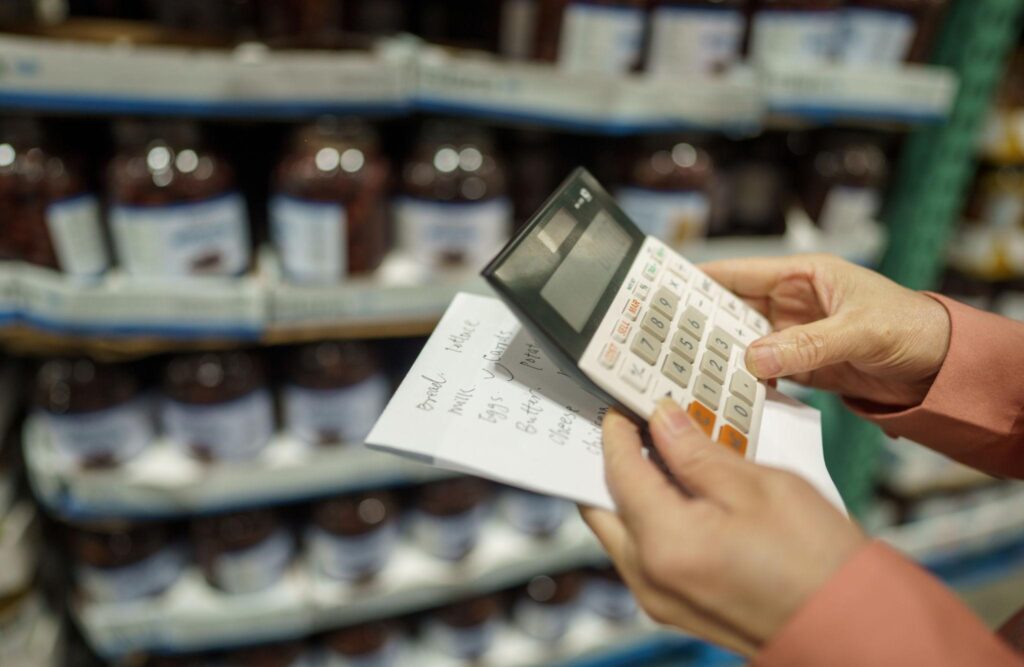
One of the best ways to save money is to plan meals for the week before entering the store. Shopping without a list often leads to impulse purchases and forgotten ingredients.
Start by planning breakfasts, lunches, dinners, and snacks based on what your family actually eats. Choose meals that use overlapping ingredients to reduce waste.
For example:
- Chicken tacos one night
- Chicken salad wraps the next day
- Chicken soup later in the week
This helps stretch one purchase across multiple meals.
Tip: Write a shopping list based only on planned meals and stick to it.
2. Shop Store Brands
Name-brand products often cost significantly more than store-brand alternatives, even when the ingredients are nearly identical.
Items worth comparing include:
- Pasta
- Rice
- Frozen vegetables
- Cereal
- Canned goods
- Cleaning products
Many store brands now match national brands in quality while costing less.
For single moms, switching even a few staple items each week can lead to meaningful monthly savings.
3. Use Grocery Apps and Digital Coupons
In 2026, most major grocery chains offer apps with weekly deals, reward points, and digital coupons. Taking a few minutes to review discounts before shopping can cut costs fast.
Look for:
- Buy one get one free deals
- Personalized savings
- Cashback offers
- Loyalty rewards
- Discounted household items
Using digital savings tools is one of the easiest modern ways to reduce grocery spending.
4. Buy in Bulk for Essentials

Buying in bulk can save money when done carefully. Focus on products your household uses regularly and can store properly.
Good bulk buys include:
- Rice
- Beans
- Oats
- Pasta
- Toilet paper
- Frozen chicken
- Snacks for school lunches
Avoid buying large amounts of items that may expire before use.
Bulk shopping works best when you know your family will consistently use the product.
USDA: Healthy Eating on a Budget: The USDA recommends taking 15–20 minutes each week to plan meals, make a grocery list, compare unit prices, and prepare leftovers for future meals. They also suggest soups, stir-fries, and casseroles to stretch expensive ingredients into more portions.
5. Choose Affordable Protein Options
Protein can be one of the most expensive parts of a grocery bill. Instead of relying only on beef or packaged meats, rotate lower-cost options.
Budget-friendly proteins include:
- Eggs
- Beans
- Lentils
- Peanut butter
- Tuna
- Ground turkey
- Chicken thighs
Mixing these into weekly meal plans helps lower costs while keeping meals filling and nutritious.
6. Cook More and Order Less
Takeout and delivery can quickly destroy a grocery budget. Even one or two restaurant meals each week often cost more than several homemade dinners.
Cooking simple meals at home saves money and gives more leftovers for lunches.
Easy low-cost meal ideas:
- Pasta with vegetables
- Rice bowls
- Chili
- Sheet pan chicken and potatoes
- Breakfast for dinner
- Homemade soup
For busy parents, batch cooking on weekends can save both time and money during the week.
7. Freeze Leftovers and Extra Ingredients
Food waste is expensive. Throwing away spoiled produce, forgotten leftovers, or unused ingredients adds up over time.
Use your freezer for:
- Leftover cooked meals
- Bread
- Meat bought on sale
- Chopped vegetables
- Extra fruit for smoothies
Label items with dates so they get used in time.
For single moms managing busy schedules, freezing food prevents waste and creates quick meal options.
8. Shop Seasonal Produce
Fresh fruits and vegetables cost less when they are in season. Seasonal produce is also often fresher and tastes better.
Examples:
- Summer: berries, corn, tomatoes
- Fall: apples, squash, sweet potatoes
- Winter: citrus, carrots, cabbage
- Spring: spinach, asparagus, strawberries
When produce is expensive, frozen fruits and vegetables are often just as nutritious and usually more affordable.
Nutrition.gov: Nutrition on a Budget: Nutrition.gov highlights ways families can lower grocery costs through coupons, bulk purchases, budget-friendly meal plans, unit pricing, and affordable healthy food choices. They also provide tools for meal planning and grocery budgeting.
9. Set a Weekly Grocery Limit
A clear spending cap creates discipline and helps avoid overspending.
For example:
- $100 weekly budget
- $150 biweekly budget
- Cash envelope for groceries
- Debit card with fixed amount
Knowing your limit before shopping helps guide decisions and reduce impulse purchases.
Tracking receipts can also reveal patterns and areas where costs can be reduced.
10. Build a Pantry Around Low-Cost Staples
Keeping affordable basics at home makes it easier to create meals without extra shopping trips.
Useful staples include:
- Rice
- Pasta
- Oats
- Beans
- Flour
- Canned tomatoes
- Peanut butter
- Frozen vegetables
- Broth
- Eggs
With these items available, you can make many meals using just a few fresh ingredients.
This is especially helpful when money is tight near payday.
Bonus Tips for Single Moms in 2026
Beyond grocery shopping itself, these habits can improve household budgeting:
Compare Stores
Some stores offer lower prices on produce while others have better deals on packaged goods.
Shop Alone When Possible
Shopping with children can increase impulse purchases. If possible, shop solo or order pickup.
Eat Before Shopping
Shopping hungry often leads to buying unnecessary extras.
Keep a Price Notebook
Write down common prices so you know when something is truly a deal.
Why Smart Grocery Planning Matters
For families on one income, saving $20 to $40 weekly can mean hundreds or even thousands saved annually. That money can go toward:
- Emergency savings
- School supplies
- Debt repayment
- Utility bills
- Family activities
- Future goals
Small savings done consistently create long-term stability.
Final Thoughts
Managing a household budget alone takes strength, discipline, and creativity. While rising prices create stress, there are still many practical ways to reduce food costs without sacrificing quality meals.
By meal planning, using coupons, buying staples wisely, and minimizing waste, single moms can take more control of their grocery budgets in 2026.
Every smart decision at the store helps build financial breathing room at home.
Need more ways to budget smarter and build financial stability? Explore our financial coaching services designed to help single moms save money, reduce stress, and plan confidently for the future.
Explore our blog for more insights and helpful information.
Click here to learn more about our career and coaching services.
Have questions or feedback? Visit our Contact page (click here) — we’d love to hear from you.