

Routines to Improve Health and Wellness
Health and wellness are essential for living a balanced, fulfilling life, yet many people struggle to build daily habits that truly support their well-being. The good news is that small, consistent routines can make a powerful difference over time.
In this article, we’ll explore simple, effective daily routines that can help you improve your physical health, boost your mental clarity, and create a more energized, positive lifestyle.
Why Daily Routines Matter
Your daily habits shape your overall lifestyle. What you do consistently—rather than occasionally—has the biggest impact on your long-term well-being.
Establishing routines focused on health and wellness can:
- Increase energy levels
- Improve mood and mental focus
- Support better sleep
- Reduce stress and anxiety
- Promote long-term physical health
By creating intentional routines, you take control of your day instead of reacting to it.

Start Your Day with a Morning Routine
A strong morning routine sets the tone for the rest of your day. Instead of rushing into tasks, take a few moments to center yourself.
Hydrate First Thing
Drinking a glass of water after waking up helps rehydrate your body and kick-start your metabolism.
Stretch or Move Your Body
Light stretching, yoga, or a short walk can wake up your muscles and improve circulation.
Practice Mindfulness
Spend 5–10 minutes meditating, journaling, or simply breathing deeply. This helps reduce stress and improve focus.
Starting your day with intention is a powerful step toward better health and wellness.
Prioritize Nutritious Meals
What you eat plays a major role in how you feel throughout the day.
Eat a Balanced Breakfast
Include protein, healthy fats, and whole grains to keep your energy stable.
Choose Whole Foods
Focus on fruits, vegetables, lean proteins, and whole grains rather than processed foods.
Stay Hydrated
Keep a water bottle nearby and aim to drink consistently throughout the day.
Healthy eating doesn’t have to be complicated—small improvements can lead to big results.
Boston University – Daily Wellbeing Routine: This guide explains how building a daily wellness routine that includes sleep, movement, nutrition, and self-care can support both energy and emotional well-being.
Incorporate Daily Movement
You don’t need an intense workout every day to stay healthy. Consistent movement is what matters most.
- Take short walks during breaks
- Use the stairs instead of the elevator
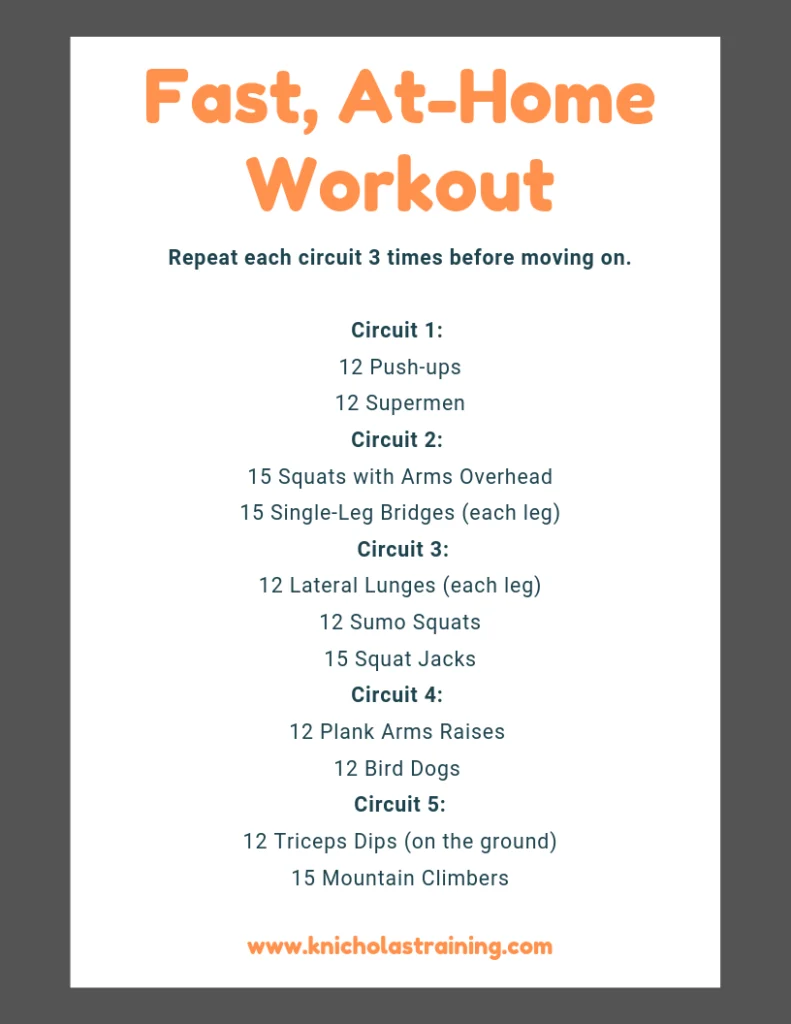
- Try home workouts or stretching sessions
- Stand up and move every hour if you have a desk job
Regular physical activity supports both physical and mental health and wellness, helping reduce stress and improve overall fitness.
Take Breaks to Recharge
In today’s busy world, it’s easy to work nonstop. However, taking breaks is essential for maintaining productivity and well-being.
- Step away from screens every hour
- Get fresh air when possible
- Practice deep breathing or quick relaxation techniques
Short breaks help prevent burnout and keep your mind sharp throughout the day.
Manage Stress Effectively
Stress is a normal part of life, but how you manage it makes all the difference.
Practice Deep Breathing
Simple breathing exercises can calm your nervous system quickly.
Set Realistic Goals
Avoid overloading your schedule. Focus on what truly matters.
Limit Overstimulation
Reduce time spent on social media or constant notifications.
Making stress management part of your daily routine is key to maintaining long-term balance.
Build Healthy Digital Habits
Technology is a big part of daily life, but it’s important to use it mindfully.
- Set boundaries for screen time
- Avoid checking your phone first thing in the morning
- Turn off notifications when focusing on important tasks
Creating digital boundaries helps protect your mental clarity and emotional well-being.
Northwestern Medicine – Healthy Daily Habits This article highlights how consistent habits like regular sleep, exercise, and stress management form the foundation of a healthy daily routine and long-term wellness.
Connect with Others
Human connection is a vital part of wellness.
- Spend time with family and friends
- Schedule regular check-ins or calls
- Engage in meaningful conversations
Strong relationships contribute to emotional health and provide support during challenging times.
Create an Evening Routine

Just as mornings matter, your evening routine is crucial for winding down and preparing for restful sleep.
Limit Screen Time Before Bed
Reduce exposure to blue light at least 30–60 minutes before sleep.
Reflect on Your Day
Journaling or noting a few things you’re grateful for can improve your mindset.
Prepare for Tomorrow
Lay out clothes, plan meals, or create a to-do list to reduce morning stress.
A calming evening routine helps your body and mind transition into rest mode.
Prioritize Quality Sleep
Sleep is one of the most important pillars of health and wellness.
- Aim for 7–9 hours of sleep each night
- Keep a consistent sleep schedule
- Create a comfortable, dark, and quiet sleep environment
Good sleep improves memory, mood, and overall physical health.
Stay Consistent, Not Perfect
The key to building lasting habits is consistency—not perfection.
- Start small and build gradually
- Focus on progress rather than perfection
- Adjust routines based on your lifestyle
Even simple daily actions can lead to meaningful improvements over time.
Final Thoughts
Improving your health and wellness doesn’t require drastic changes. By incorporating small, intentional routines into your daily life—like moving more, eating better, managing stress, and prioritizing sleep—you can create a sustainable path toward a healthier, happier you.
Remember, the goal is not to overhaul your life overnight, but to build habits that support your well-being day by day.
For more tips on building sustainable habits, check out our guide on Healthy Lifestyle For Long-Term Wellness.
Explore our blog for more insights and helpful information.
Click here to learn more about our career and coaching services.
Have questions or feedback? Visit our Contact page (click here) — we’d love to hear from you.