

How to Build Financial Stability
Financial stability can feel out of reach when you’re raising a family on one income—but it’s not impossible. In fact, with the right strategy, small consistent steps can create real security over time. If you’re a single mom navigating rising costs and constant pressure, here’s the truth: you’re not bad with money — you’ve just been carrying too much alone.
Between inflation, childcare, and housing, it’s no wonder finances feel overwhelming. But instead of chasing perfection, this guide focuses on realistic, no-shame strategies to help you build financial stability—one step at a time.
Start with the “Bare Minimum Budget”
When money is tight, traditional budgeting advice often feels unrealistic. That’s why the first step toward financial stability is creating a bare minimum budget—a stripped-down version of your finances that protects what matters most.
What to include:
Focus only on essentials:
- Housing (rent/mortgage)
- Utilities (electric, water, heat)
- Groceries
- Transportation
- Childcare
- Insurance and minimum debt payments
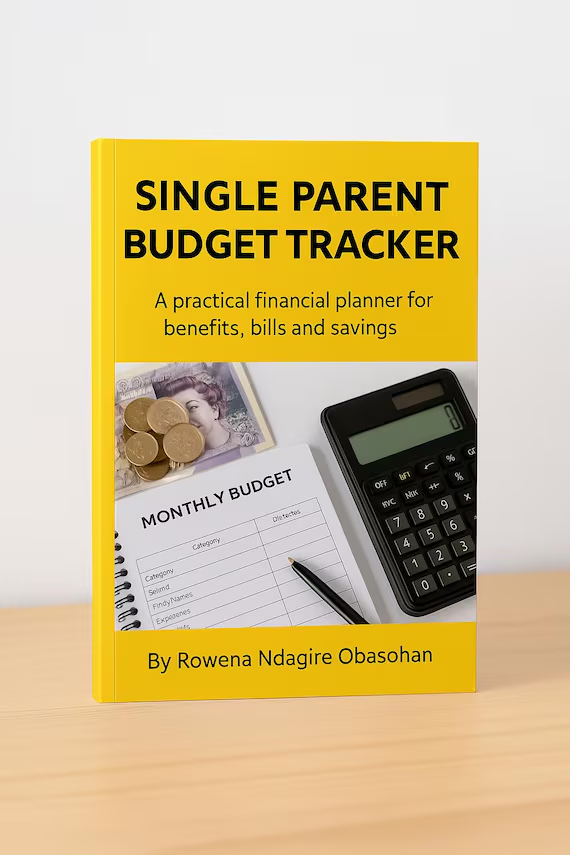
Why it works:
This method removes guilt and confusion. You’re not trying to do everything—you’re prioritizing survival and stability. Once your essentials are covered, anything extra becomes a bonus, not a burden.
Quick tip:
If your income doesn’t fully cover your bare minimum, that’s not a failure—it’s a signal. It means it’s time to adjust expenses, negotiate bills, or find small income boosts (we’ll cover that later).
Budgeting for Single Moms: Practical Tips for Financial Stability: This article reinforces the importance of understanding your full financial picture and creating a realistic budget based on your income and expenses. It aligns well with your “bare minimum budget” concept and emphasizes starting simple to reduce overwhelm.
Build a 3-Month Emergency Cushion (Slowly)
Emergency funds can feel like a luxury, but they are essential for long-term financial stability. The key is to build one slowly and without pressure.
Step-by-step approach:
- Start with a $500 mini emergency fund
This covers small surprises like car repairs or medical co-pays. - Move toward one month of expenses
Use your bare minimum budget as your target—not your full spending. - Gradually build to three months
Even saving $10–$25 per week adds up over time.
Make it easier:
- Automate small transfers if possible
- Save windfalls (tax refunds, gifts, bonuses)
- Use a separate account to avoid spending temptation
Mindset shift:
You’re not “behind” if your emergency fund is small. You’re building protection—and that matters.
Reduce Childcare and Grocery Costs Strategically
These are often the biggest stress points for single moms. The goal isn’t perfection—it’s smart adjustments that ease pressure without adding burnout.
Childcare savings ideas:
- Swap care with trusted friends or family
- Look into local community programs or subsidies
- Adjust work hours (if possible) to reduce paid care time
- Explore employer childcare benefits or flexible schedules
Grocery savings that actually work:
- Plan 3–5 core meals per week (not 7)
- Buy store brands instead of name brands
- Use pickup services to avoid impulse buying
- Stick to a simple rotating meal plan
- Buy in bulk only for items you always use
Pro tip:
Don’t aim to become an extreme couponer overnight. Consistency beats complexity every time.

Negotiate Bills and Cut Hidden Expenses
Many people overlook how much they can save just by asking. Lowering your monthly bills is one of the fastest ways to improve your financial situation.
Where to start:
- Internet and cable providers
- Phone plans
- Insurance (auto, renters, health)
- Subscription services
What to say:
Call and ask:
“I’m reviewing my budget and looking for ways to reduce costs. Are there any promotions, discounts, or lower plans available?”
You’d be surprised how often companies say yes.
Subscription audit:
Go through your bank statements and cancel anything you don’t use regularly. Even saving $20–$50 per month can make a real difference.
Managing Money as a Single Parent: 7 Essential Tips: A practical, no-shame guide that encourages single parents to use available benefits, build a plan, and take control of their finances step by step—supporting your mindset shift from survival to strategy.
Side Income Ideas That Don’t Drain You
Earning extra money can help, but not at the cost of your energy or time with your kids. The goal is to find flexible, low-stress options.
Realistic side income ideas:
- Freelance work (writing, admin, design)
- Selling unused items online
- Babysitting for another family occasionally
- Remote part-time work with flexible hours
- Print-on-demand or digital products
What to avoid:
- High-pressure gigs that require upfront investment
- Anything that adds significant stress or exhaustion
Rule of thumb:
If it costs your peace, it’s too expensive.
Even an extra $100–$300 per month can accelerate your progress toward financial stability.
Shift Your Mindset: From Survival to Strategy
This might be the most important step of all.
When you’re constantly in survival mode, every decision feels urgent and stressful. But building financial stability requires a shift—from reacting to planning.
Reframe your thinking:
Instead of:
- “I’ll never get ahead”
- “I’m just bad with money”
Try:
- “I’m learning what works for my situation”
- “Small steps are still progress”
Why this matters:
Your mindset shapes your financial behavior. When you believe change is possible, you start making decisions that support your future—not just your present.
Create a Simple Financial Routine

Consistency is more powerful than intensity. You don’t need hours each week—just a simple system you can stick to.
Weekly (15–20 minutes):
- Check your bank account
- Review upcoming bills
- Adjust spending if needed
Monthly:
- Review your bare minimum budget
- Track progress on savings
- Look for one small improvement
Keep it simple:
No complicated spreadsheets required. Even a notebook or notes app works.
Give Yourself Permission to Do This Differently
You don’t need to follow traditional financial advice that doesn’t fit your life. You don’t need to feel guilty for not saving perfectly or earning more.
You’re managing a household, raising children, and navigating real financial pressure—often alone.
That’s not failure. That’s strength.
And building financial stability on one income isn’t about doing everything right. It’s about doing what works for you, consistently and without shame.
Final Thoughts
Financial stability isn’t built overnight. It’s created through small, intentional decisions that protect your essentials, reduce stress, and create breathing room.
Start with your bare minimum budget. Build your emergency cushion slowly. Cut what you can. Earn a little extra if it makes sense. And most importantly—shift your mindset from survival to strategy.
You’re not behind. You’re building something that lasts.
As you work toward long-term security, focusing on Building A Financial Safety Net can help you make more confident career and money decisions.
Explore our blog for more insights and helpful information.
Click here to learn more about our career and coaching services.
Have questions or feedback? Visit our Contact page (click here) — we’d love to hear from you.